
A trench coat can look polished in a product photo and still arrive feeling nothing like the coat you expected. The fabric may be surprisingly thin, the buttons may not line up, or the zipper may already feel unreliable. Even the first unboxing can raise concerns when a coat arrives with deep shipping creases, an unexpected color, missing tags, or signs that it may have been worn before.
The reported examples in this analysis show that these problems are not limited to one part of the coat. Fabric, closures, seams, packaging, and overall condition can all affect whether the coat feels worth keeping. A careful buyer does not have to judge quality from the product photos alone. Checking the material, stress points, zipper, appearance, and condition as soon as the coat arrives can reveal problems before the first real wear.
DEFECT AUDIT OVERVIEW
| Product Area | Common Problems | Why It Matters |
|---|---|---|
| Fabric | Thin, cheap-feeling material and weak shape | A coat may lose the structured look expected from a trench coat |
| Closures and seams | Tearing buttonholes, loose buttons, opened seams, or zipper failure | Weak construction can make the coat difficult to fasten or wear |
| Arrival condition | Deep creases, color mismatch, missing tags or belt, pocket contamination, or strong odors | Problems present at delivery should be documented before wearing or cleaning |
Material Differences Between Heritage Gabardine and Budget Synthetic Blends
A trench coat can look convincing in a product photo and still feel completely different once it is in your hands. The gap becomes especially obvious when a supposedly "designer-inspired" coat arrives thin, rough, and nothing like the polished version you expected.
One case, anonymized as OFH-AUDIT-YDXD, was described as having cheap, ugly fabric with a strange texture and a noticeably thin feel. Another, OFH-AUDIT-TST1, was similarly reported as excessively thin, with the material feeling more like a fleece sweater than a proper coat.
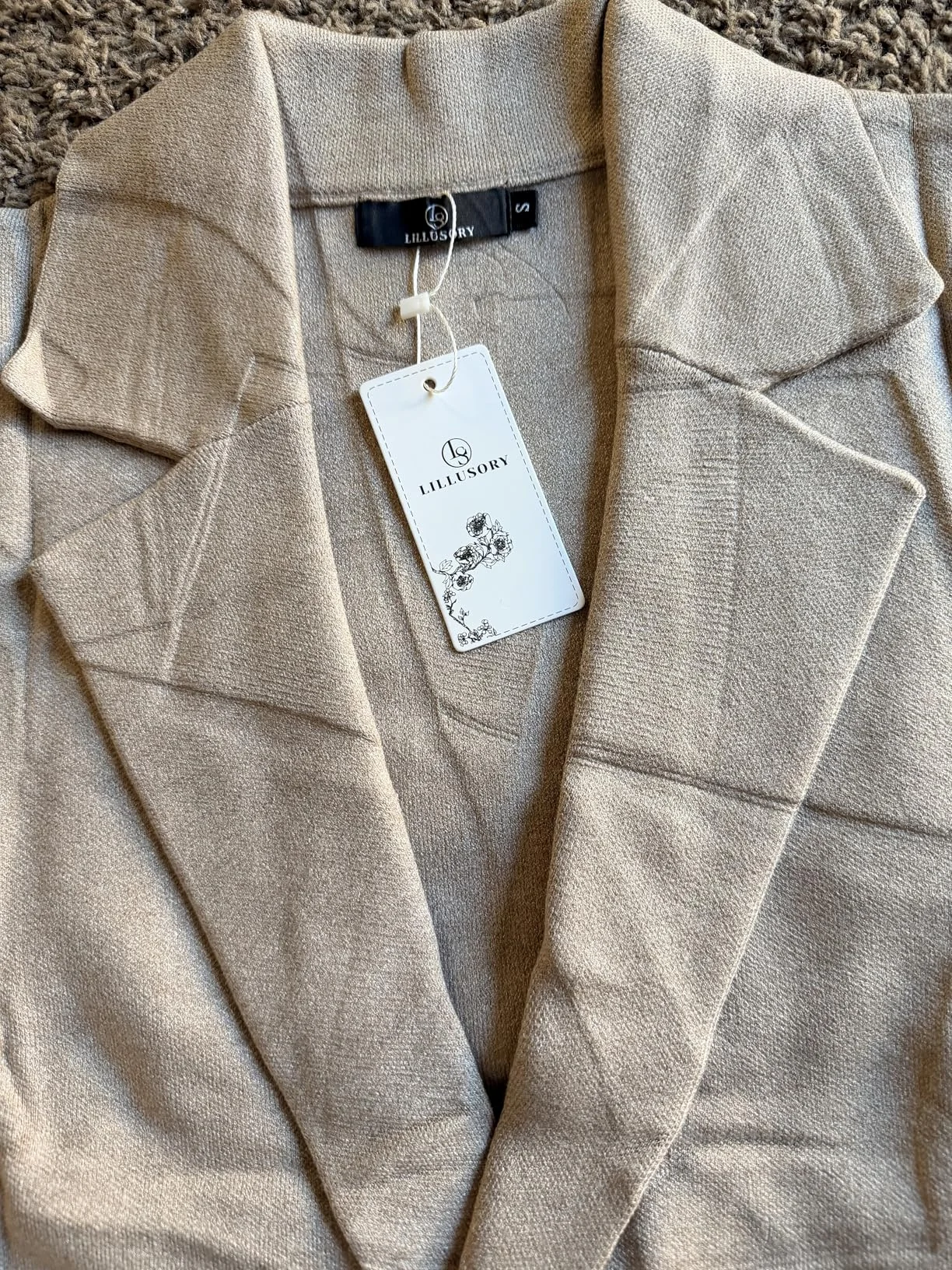
That matters because the fabric is doing much of the visual work in a trench coat. A good gabardine should give the coat enough body to hold its shape, while a flimsy substitute can collapse into a casual-looking layer that no longer resembles the structured silhouette shown online.
🧵 Feel the Fabric Before You Judge the Deal
Take the coat in both hands and gently squeeze one panel, then let it fall back into place. If it feels unusually light, limp, or more like a sweater than outerwear, the bargain may be coming from the fabric rather than simply from the brand name.
The difference is also visible in how the coat hangs. Heritage-style gabardine is associated with dense cotton fabric, a cleaner drape, and reinforced construction, while cheaper versions may rely heavily on thinner synthetic blends to reduce material cost.
That is where the "luxury look for less" promise can become misleading. OFH-AUDIT-YDXD was rejected for its thin, cheap-feeling material, while OFH-AUDIT-TST1 combined thin fabric with an appearance described as cheap and unlike the advertised photos.
The point is not that every synthetic blend is automatically poor. It is that price alone cannot tell you whether a trench has the substance its silhouette requires. For shoppers comparing a heritage gabardine trench with a budget alternative, fabric weight, hand feel, and how the coat holds its shape deserve more attention than the marketing phrase "designer-inspired."
For these particular reported examples, the material complaints make the low-cost substitute look less convincing in person than it does on the product page.
Inspecting Reinforcement Around Buttonholes and Critical Stress Points
The easiest way to spot weak trench-coat construction is to look where the garment gets pulled, opened, and closed every day. Buttonholes, buttons, and shoulder seams should not look like afterthoughts, because these are exactly the places that take repeated strain.
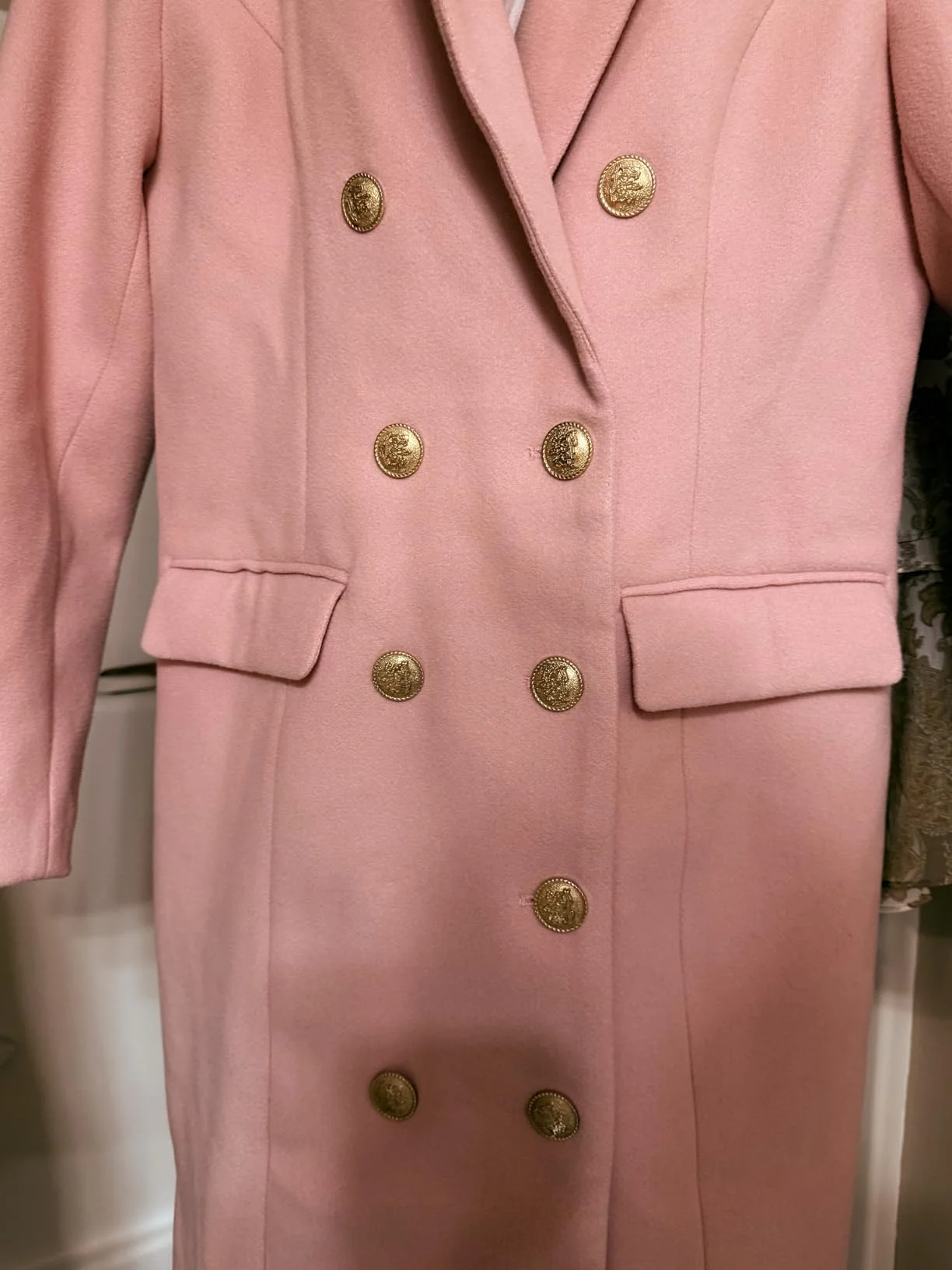
One reported case, anonymized as OFH-AUDIT-W9NJK, had a buttonhole that was already tearing, and a replacement showed the same problem. After only two washes, the shoulder seam reportedly opened and left a hole. That is not a styling issue—it means the coat can start failing during ordinary use.
Another example, OFH-AUDIT-TST1, arrived with buttonholes that did not line up properly, including a missing opening for the top button. Two buttons reportedly came off during the first attempt to fasten the coat. When several small construction problems appear in the same garment, the polished product photos become much less useful as a quality signal.
🔍 Pull the Closures Before You Trust Them
Before wearing the coat outside, gently fasten and unfasten every button once. Then give each button a light sideways tug and inspect the surrounding stitching for loose threads, gaps, crooked openings, or fabric beginning to separate.
For the buttonholes, look for stitching that wraps securely around the opening rather than a raw-looking cut through the fabric. Better construction uses reinforced stitching around buttonholes and double-stitched seams at areas that repeatedly bear the coat's pulling force.
You can make the same check at both shoulders by gently spreading the fabric beside the seam. If the stitching already looks strained, uneven, or unfinished, it is worth dealing with before the first outing rather than discovering the problem after a few wears and washes.
These two reported examples show why a trench coat should be judged by its small construction details, not just its silhouette. A beautiful coat with weak closures can quickly become an expensive return, so visible reinforcement and secure stitching are practical signs worth checking before keeping it.
The reported issues do not establish that every garment in a product line will have the same defects, but they make immediate inspection a sensible step when the coat arrives.
Why Metal Zippers and Seam Backing Determine Outerwear Longevity
A trench coat can survive years of wear only if its most frequently used closure can keep up. The zipper is pulled, bent, and loaded every time you put the coat on, so a failure there can turn an otherwise wearable garment into something you cannot properly close.
One reported example, anonymized as OFH-AUDIT-P04U, developed a serious zipper failure in less than a year. The zipper teeth reportedly came apart completely, followed by the coat's stitching beginning to pull apart as well.
That sequence matters because the zipper is not an isolated decoration. Once the main closure fails, the surrounding fabric can also be left dealing with forces it was not meant to handle on its own. What looked like one broken component can therefore become a much larger problem for the garment.
⚙️ Run the Zipper Before You Take the Tags Off
Zip the coat from fully open to fully closed several times while it is lying flat. Then repeat the motion while gently holding the two sides of the coat together, watching for catching, separation, crooked movement, or teeth that fail to stay engaged.
Pay attention to the area immediately around the zipper as well. A zipper that moves smoothly but is attached to visibly weak or poorly supported fabric still deserves caution, because the surrounding area has to withstand the repeated pulling that comes with everyday use.
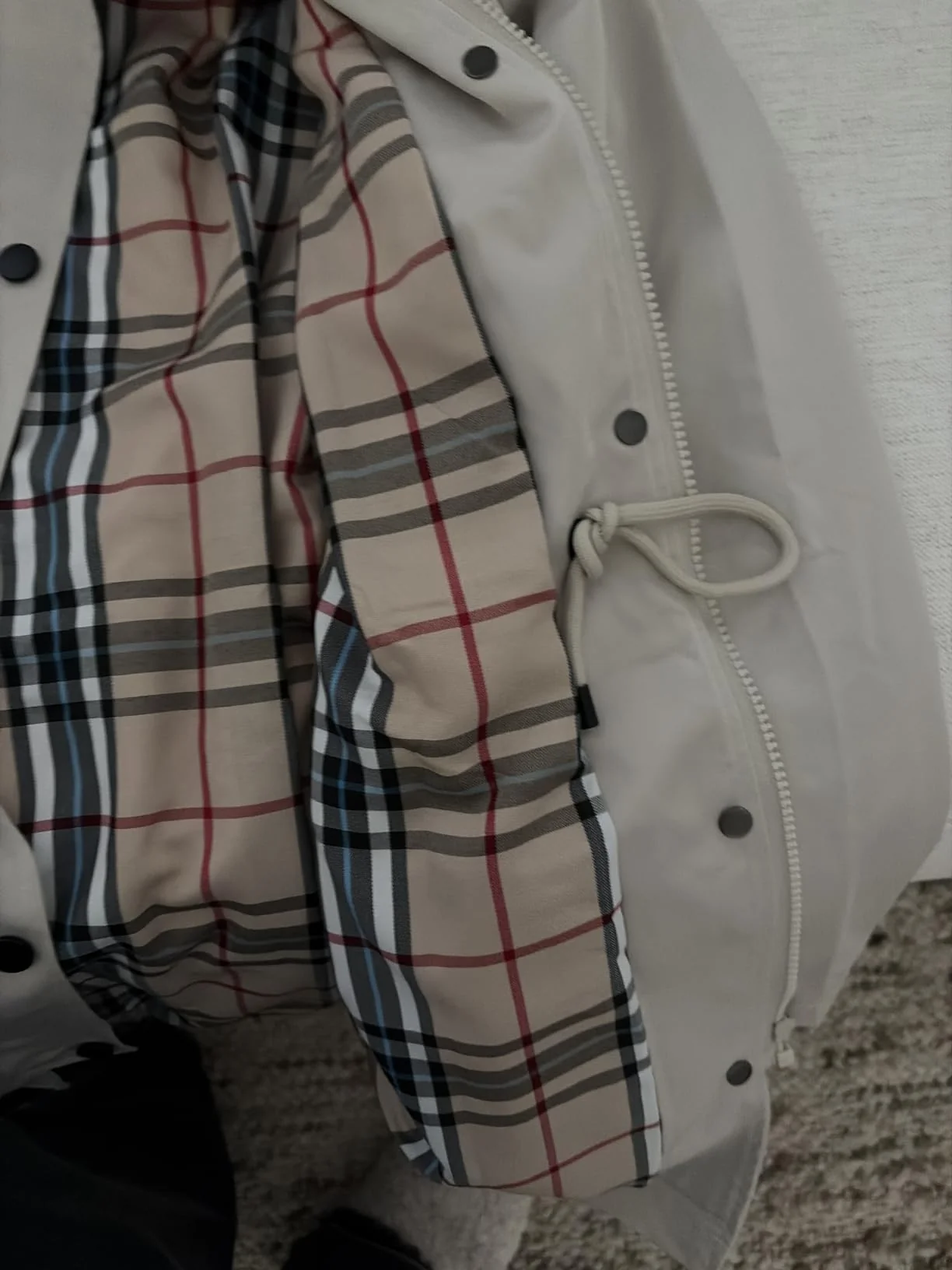
For a higher-quality trench, the construction should pair a durable metal zipper, such as YKK®-level hardware, with added support around the attachment area. Reinforcement helps keep the zipper from becoming the one weak point that undermines the rest of the coat.
The reported OFH-AUDIT-P04U case is a useful reminder of why this small detail deserves attention before purchase. A zipper that completely comes apart within the first year can erase much of the value of an otherwise attractive coat, especially when the surrounding stitching starts failing at the same time.
A single reported case does not mean every coat with a similar zipper will fail on the same schedule. But when longevity is the goal, smooth operation, secure attachment, and visible support around the zipper are worth checking before you commit to the coat.
How to Fix Deep Creases and Fabric Wrinkling from Vacuum-Sealed Shipping
A trench coat can arrive looking less like outerwear and more like it has spent the trip being stuffed into a suitcase with no intention of coming back out. Vacuum-sealed shipping can leave deep folds that do not behave like ordinary wrinkles, and one reported case shows just how stubborn they can become.
In OFH-AUDIT-W2R, the coat was reportedly compressed during vacuum-sealed shipping and remained badly creased even after steaming. The problem was not simply that the garment needed a few hours on a hanger—the wrinkles were described as resistant even to a commercial steamer.
That creates an awkward first impression. A coat marketed around a clean, polished silhouette can arrive with its shape badly distorted before it has even been worn.
🧥 Let the Coat Recover Before You Attack the Creases
Start by hanging the coat properly and giving the fabric time to relax before repeatedly pressing or steaming the same area. If you use a steamer, work gradually rather than forcing intense heat directly onto one stubborn fold.
Then check whether the crease is actually disappearing. If the fabric still shows a hard line after careful steaming, do not assume more heat will automatically solve it. The reported experience with OFH-AUDIT-W2R shows that some shipping damage may be far more persistent than ordinary packing wrinkles.
But the packaging problem was not limited to shape. OFH-AUDIT-YDXD was also reported to arrive with a major color mismatch: the expected caramel shade appeared much closer to bright orange or orange-brown. That means the disappointment can begin before the garment is even evaluated for fit or construction.
For shoppers, the practical lesson is simple: photograph the coat immediately after opening the package, including its color and the deepest folds. If careful hanging and steaming do not restore the appearance, those initial photos give you a clear record of how the garment arrived.
These reports do not mean every vacuum-packed coat will develop permanent creases or every color will arrive inaccurately. But when the first impression is badly distorted by packaging, it is worth judging the actual garment—not assuming every defect will disappear with a little steaming.
What to Do If an Online Coat Order Arrives Without Tags or Shows Signs of Wear
A new coat should not arrive with clues that someone else has already been using it. Missing tags, foreign objects in the pockets, unexplained odors, or personal items left behind are not details to shrug off when you have paid for new merchandise.
One reported case, anonymized as OFH-AUDIT-W2R, arrived with an opened sanitary pad and dirty gloves left inside the pockets. The original belt was also missing, creating a very different unboxing experience from what a buyer would reasonably expect from a new coat.
Another reported case, OFH-AUDIT-9NJK, was described as having a strong chemical odor that persisted even after washing and was severe enough that the garment had to be aired outdoors.
🧤 Empty Every Pocket Before You Wear It
Before removing the tags or wearing the coat outside, open every pocket and check the entire garment under good lighting. Look for personal belongings, makeup residue, hair, stains, missing accessories, or anything else that suggests the item may have been previously handled or worn.
Next, smell the coat from a short distance rather than immediately putting it on. If there is a strong unexplained odor, set it aside and document the condition first instead of trying to cover the smell with perfume or repeatedly washing the garment.
The same first-day check should include the tags and packaging. Compare the garment with the product listing and confirm that expected accessories, such as a belt, are actually present. In the reported OFH-AUDIT-W2R case, the missing belt appeared alongside the pocket contamination, making the condition particularly difficult to dismiss as a normal packaging mistake.
For products where chemical finishes or dyes are a concern, shoppers can also look for recognized textile-safety certification such as OEKO-TEX Standard 100 when the seller claims it applies. The available quality guidance specifically identifies this certification as a way to indicate that harmful dyes or finishes are not present.
If a new coat arrives without tags or with unmistakable signs of prior use, photograph everything before cleaning, wearing, or altering it. These reported cases do not prove that every untagged garment has been resold, but they make condition verification an important first step when an online order arrives looking anything but new.
CONCLUSION
A good-looking trench coat should still make sense when you inspect it in person. Start with the fabric: hold the coat, squeeze a panel, and see whether it feels like substantial outerwear or a thin sweater-like layer. Next, check every buttonhole, button, shoulder seam, and zipper before wearing the coat outside. Small flaws in these areas can become larger problems with repeated use.
The arrival condition also deserves attention. Hang the coat and give shipping creases time to relax, but do not assume every deep fold will disappear. Compare the actual color and included accessories with the listing, empty every pocket, and check for unexplained odors or signs of previous use. If something is clearly wrong, photograph it before cleaning, steaming, wearing, or altering the coat.
These checks take only a few minutes, but they can prevent a disappointing purchase from becoming a long-term wardrobe problem.
THE ULTIMATE BUYING VERDICT
| Verdict | Key Consideration | Recommendation |
|---|---|---|
| 🔴 Significant concerns | Thin or cheap-feeling fabric, tearing buttonholes, loose buttons, opened seams, zipper failure, or clear signs of prior use | Treat these as reasons to pause before wearing the coat and document the condition immediately |
| 🟡 Acceptable with limitations | Minor shipping wrinkles or construction details that appear secure but still need inspection | Give the coat time to recover from shipping and test every closure and seam before deciding to keep it |
| 🟢 Meets long-term expectations | Fabric with enough body to support the trench silhouette, secure closures, reinforced stress points, smoothly operating zipper, and a clean new condition | Look for substantial hand feel, secure stitching, reliable closures, complete accessories, and an arrival condition that matches the listing |
Frequently Asked Questions
How can I tell if a trench coat's fabric is too thin before wearing it?
Take the coat in both hands and gently squeeze a panel, then let it fall back into place. If it feels unusually light, limp, or more like a sweater than outerwear, the fabric may not have the body needed to hold the structured trench silhouette. Reported cases described this issue as a thin, cheap-feeling material with a texture closer to a fleece sweater than proper outerwear.
What should I check on the buttons and seams when a trench coat arrives?
Before wearing the coat outside, fasten and unfasten every button, then give each one a light sideways tug while checking the surrounding stitching for loose threads, gaps, or fabric separation. Also inspect buttonholes for secure stitching and check both shoulder seams by gently spreading the fabric. Reported cases included tearing buttonholes, misaligned openings, and seams opening after only two washes.
How do I know if a trench coat's zipper will hold up over time?
Zip the coat fully open to closed several times while it's lying flat, then repeat while holding the two sides together, watching for catching, separation, or teeth that won't stay engaged. Also check that the fabric around the zipper attachment feels well-supported. One reported case involved a zipper that completely came apart within a year, along with surrounding stitching failure.
Can deep creases from shipping be steamed out of a trench coat?
Not always. Hanging the coat and steaming gradually can help relax ordinary wrinkles, but one reported case described creases from vacuum-sealed shipping that remained even after steaming with a commercial steamer. If a hard crease line persists after careful steaming, it may be more resistant than typical packing wrinkles.
What are signs that an online trench coat order may not actually be new?
Warning signs include missing tags, missing accessories like the belt, foreign objects or personal items left in the pockets, and strong unexplained odors. Reported cases included a coat arriving with an opened sanitary pad and dirty gloves in the pockets, and another with a persistent chemical odor severe enough to require outdoor airing. Checking pockets and smelling the coat before wearing it can help catch these issues early.