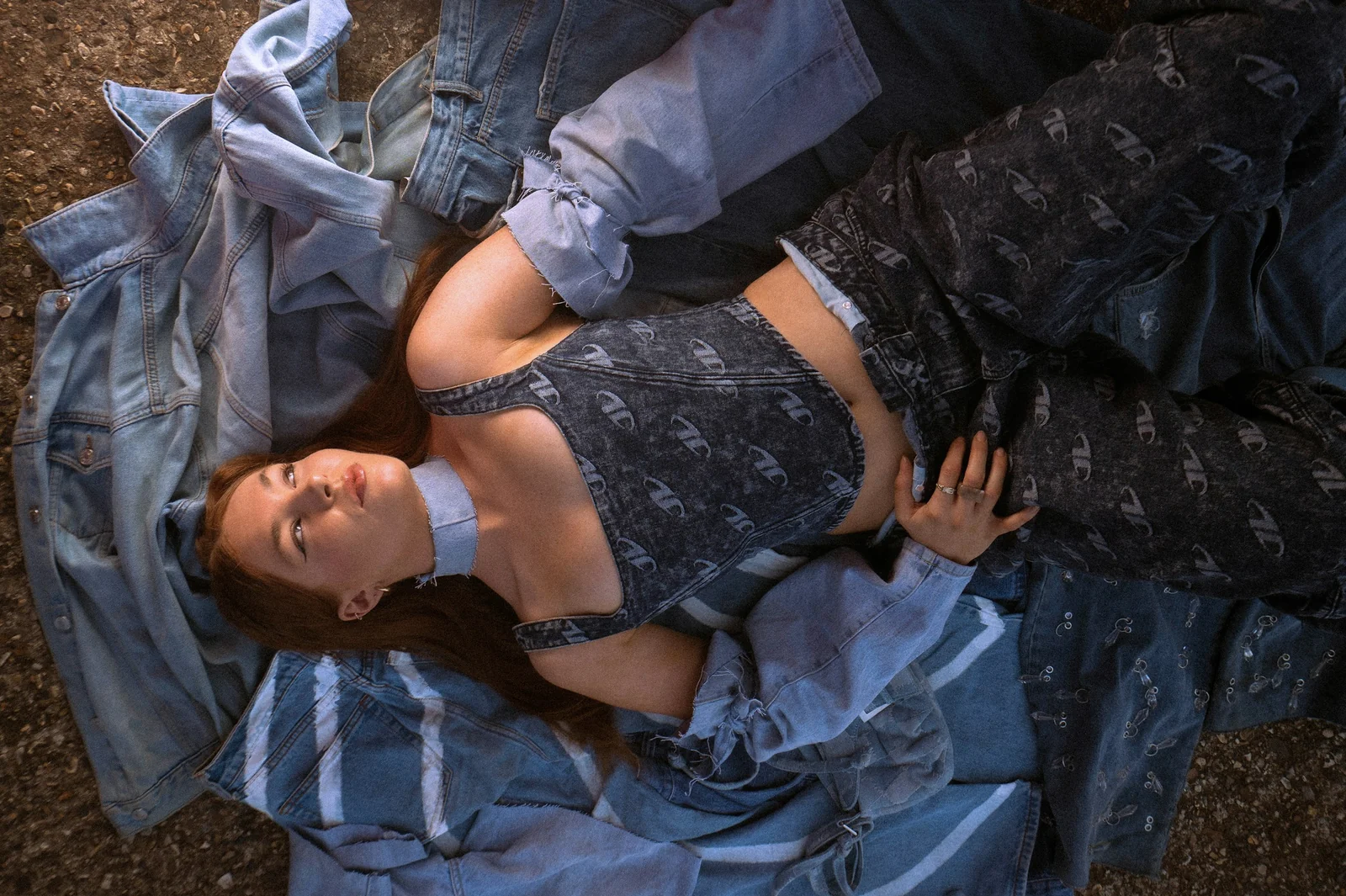
A denim jacket can look right in a product photo and still disappoint once you actually wear it. A jacket may arrive with deep wrinkles that will not come out, feel more like a thin shirt than an outer layer, shrink badly after washing, or leave fleece fibers everywhere if it has a sherpa lining. These problems are easy to miss when shopping online because photos cannot show how firm the fabric feels, how much the jacket changes after washing, or whether the lining is securely held in place.
The good news is that you can screen for many of these problems before buying. Fabric feel, care instructions, seam areas, lining construction, and the way the material responds to reasonable steaming all give useful clues. The goal is not to find the heaviest jacket possible. It is to make sure the jacket's actual construction matches how you expect to wear and care for it.
Signs a Denim Jacket Is Made from Thin Shirt-Weight Fabric That Easily Tears
A denim jacket should feel like an outer layer, not a shirt that happens to have a denim finish. If the fabric feels unusually flimsy, hangs too softly, or seems easy to pull apart, that difference matters once you start wearing it with a backpack, moving your arms, or layering over thicker clothes.
One useful example is OFH-AUDIT-1CFZ. A buyer described the material as extremely weak, with the fabric opening from only a small amount of force. Another case, OFH-AUDIT-BV5K, was described as being so thin that it felt closer to paper than a proper jacket.
The problem becomes obvious when ordinary movement turns into a repair job. A shoulder strap can rub the same area repeatedly, an elbow can pull against a seam, and lifting your arms can put pressure on fabric that simply does not have much substance behind it.
🧵 Feel the Jacket Before You Trust It
Pinch a small section of fabric between your fingers, then gently pull it sideways. You are not trying to rip it; you are checking whether it feels like a firm woven layer or collapses like a lightweight shirt.
That distinction has a simple explanation. Good denim behaves more like a closely woven net, with cotton threads crossing over and under each other to help the jacket hold together when it is worn and rubbed. Its familiar diagonal pattern comes from the way those threads are woven, giving the fabric more substance than an ordinary thin shirt.
That does not mean every lightweight denim jacket is poor quality. A lighter jacket can be intentional and comfortable, but the shopper should not expect it to behave like a substantial outer layer.
When reviews describe fabric tearing with minimal effort or feeling "thin as paper," the concern is therefore more specific than simply disliking a lightweight jacket. For these reported pieces, the real-world performance falls short of what shoppers normally expect from a durable denim outer layer, so buyers who prioritize longevity should examine the fabric feel carefully before committing.
Does 100% Cotton Denim Shrink in Cold Water, and When Is Air-Drying Required?
Buying a relaxed denim jacket only to wash it once and discover the hem sitting several inches higher is a particularly frustrating surprise. The reported case behind OFH-AUDIT-1CFZ is notable because the jacket reportedly shrank severely after a normal wash without machine drying.
That matters because "100% cotton" does not automatically mean a jacket will keep its original measurements. If the fit is already close before washing, even noticeable shrinkage can turn an easygoing layer into something far tighter than intended.
🧺 Check the Care Label Before the First Wash
Look specifically for cold-water washing and air-drying instructions before you put the jacket in the laundry. If you want to preserve the original fit, follow the garment's stated care instructions rather than assuming cotton can handle a routine warm wash.
The reason is straightforward: cotton denim can change size when exposed to water, and heat can make that change worse. Available guidance indicates that tumble drying can produce additional shrinkage of roughly 3–5%, while another quality reference allows for shrinkage of up to 5% when tumble dried.
Air-drying is therefore the safer choice when maintaining the original proportions matters. Laying the jacket flat or hanging it according to the care instructions avoids adding dryer heat to the equation.
The more important warning is that cold water is not a guarantee of zero shrinkage. The reported OFH-AUDIT-1CFZ case suggests that significant size loss was experienced after washing even without machine drying, so shoppers who depend on an exact relaxed fit should treat the jacket's pre-wash dimensions with caution.
For a 100% cotton denim jacket, the practical rule is simple: check the care label, use cold water when instructed, and air-dry when you want to minimize avoidable shrinkage. Current reports also suggest that washing alone can be enough to create an unwanted fit change in some pieces, so a precise pre-wash fit should not be taken as proof that the jacket will retain those dimensions.
What Causes Sherpa Linings to Shed and Insulation to Leak Through Hem Seams
A sherpa-lined denim jacket is supposed to give you a little more protection when the temperature drops. Instead, OFH-AUDIT-BV5K describes a jacket whose supposed insulation shed fuzz everywhere, while filling reportedly escaped around the sides and bottom.
That changes the problem from ordinary shedding to a jacket that may not be keeping its lining contained. One buyer described the garment as so thin that it behaved more like a lightweight shirt than a warm jacket, while the fleece reportedly left fuzz throughout the surrounding space.
🧥 Run Your Fingers Along the Hem
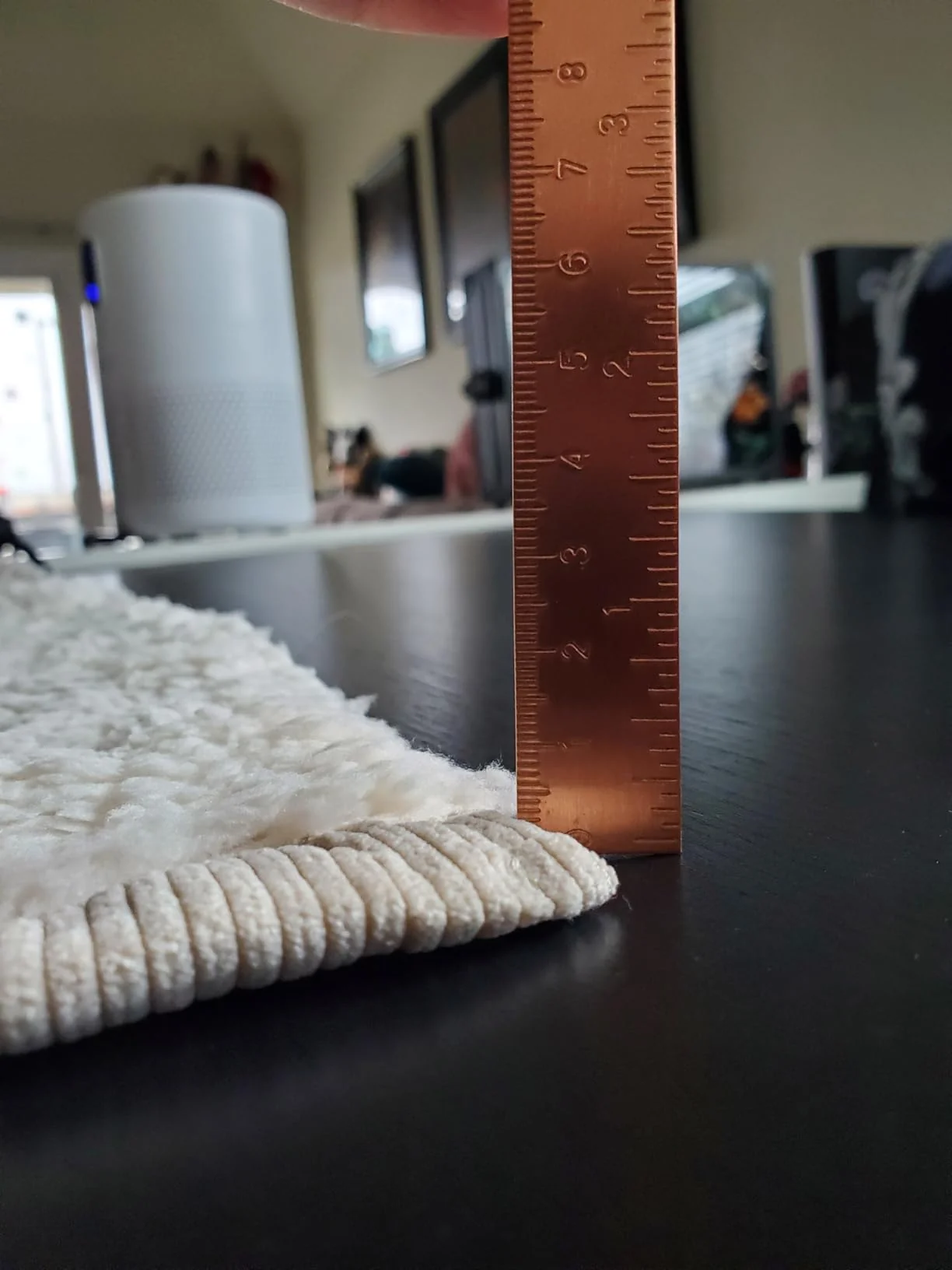
Turn the jacket inside out and gently feel along the lower hem and side seams. Look for loose fibers, visible filling, or areas where the lining is already pulling away rather than assuming the fluffy appearance means the jacket is well insulated.
The reported case is especially useful because the shedding was paired with filling coming out around the lower and side areas. When the lining is poorly secured, normal movement and rubbing can turn a small loose area into a steady stream of fibers escaping from the garment.
Available quality guidance points toward a more secure construction: a substantial outer layer paired with high-weight fleece that is properly sewn to keep the fibers contained. By contrast, a cheaply made fuzzy lining without adequate support can be more vulnerable to pulling and friction.
This also explains why a jacket can look warm in product photos but feel surprisingly ineffective outdoors. A fluffy lining is not enough by itself; if the garment is exceptionally thin and the lining is shedding or escaping through its seams, the finished jacket may not deliver the substantial feel shoppers expected.
For the reported OFH-AUDIT-BV5K case, the combination of thin outer material, persistent fleece shedding, and filling escaping around the lower edges is a clear reason to scrutinize the construction rather than judging warmth from the listing photos alone.
Why Some Denim Blends Retain Heavy Shipping Wrinkles That Steaming Cannot Fix
A denim jacket can arrive looking so heavily compressed that it barely resembles the structured outer layer shown in the listing. In OFH-AUDIT-PPV, the reported wrinkles were so severe that repeated steaming and high-heat ironing reportedly failed to remove them.
The issue becomes more frustrating when the jacket never recovers its intended shape after unpacking. Instead of developing the firm, defined silhouette associated with denim, the fabric reportedly remained limp and heavily creased.
🧺 Steam One Small Area Before You Keep Pressing
Rather than immediately turning up the heat, test a small section first. If careful steaming and ironing according to the garment's care instructions leave deep creases essentially unchanged, that is a useful warning that the problem may involve the fabric itself rather than simply poor packaging.
Available reference information contrasts this with quality long-staple cotton and substantial 12-ounce cotton twill, which have a stronger ability to recover their shape after being compressed or folded. Lower-quality imitation denim containing inferior short fibers or synthetic fibers may instead retain pronounced creases after pressure.
That distinction matters because shipping wrinkles should normally be treated as a presentation problem, not a permanent feature of the garment. When the fabric remains soft, limp, and deeply creased after reasonable care, the concern shifts from unpacking to material performance.
The reported OFH-AUDIT-PPV case involved extreme packaging wrinkles alongside a notably poor fabric feel and the need for professional dry-cleaning steam treatment. That does not prove every wrinkled denim blend is defective, but it does give shoppers a practical screening point.
A jacket does not need to arrive perfectly smooth. However, if deep shipping creases resist reasonable steaming while the fabric also lacks the firm hand and shape associated with the expected denim construction, inspect the material quality before assuming more heat will solve the problem.
CONCLUSION
A good denim jacket does not have to be heavy or stiff, but it should feel appropriate for its intended use. If you want a durable outer layer, pay close attention to fabric that feels unusually thin, collapses like shirt material, or has been reported to tear with very little force. A lightweight jacket can still be a reasonable choice when that is what you want, but it should not be expected to perform like substantial denim.
Care matters just as much. For 100% cotton denim, check the label before the first wash and use cold water and air-drying when instructed. Cold water alone does not guarantee that the jacket will keep its original size.
For sherpa-lined styles, inspect the hem and side seams for loose fibers or escaping filling. And when shipping wrinkles remain after reasonable steaming, do not assume more heat will fix them. If deep creases are combined with a limp, poorly supported fabric, the material itself deserves closer attention.
THE ULTIMATE BUYING VERDICT
| Verdict | Key Consideration | Recommendation |
|---|---|---|
| 🔴 Significant concerns | Extremely thin fabric, fabric that tears with little force, severe shrinkage, or sherpa fibers and filling escaping from seams | Be cautious or avoid the jacket if you need a dependable outer layer, stable fit, or securely contained lining. |
| 🟡 Acceptable with limitations | Lightweight denim can be comfortable, but it may not provide the substantial feel or durability expected from a heavier jacket; cold washing may still cause some shrinkage | Choose it when a lighter layer is intentional, and follow the care label closely if preserving the fit matters. |
| 🟢 Meets long-term expectations | A firm woven denim feel, suitable fabric weight for the intended use, secure lining, and care instructions that can be followed without unnecessary heat | Look for construction that feels substantial enough for your use, inspect seams and lining, and follow the stated washing and drying instructions. |