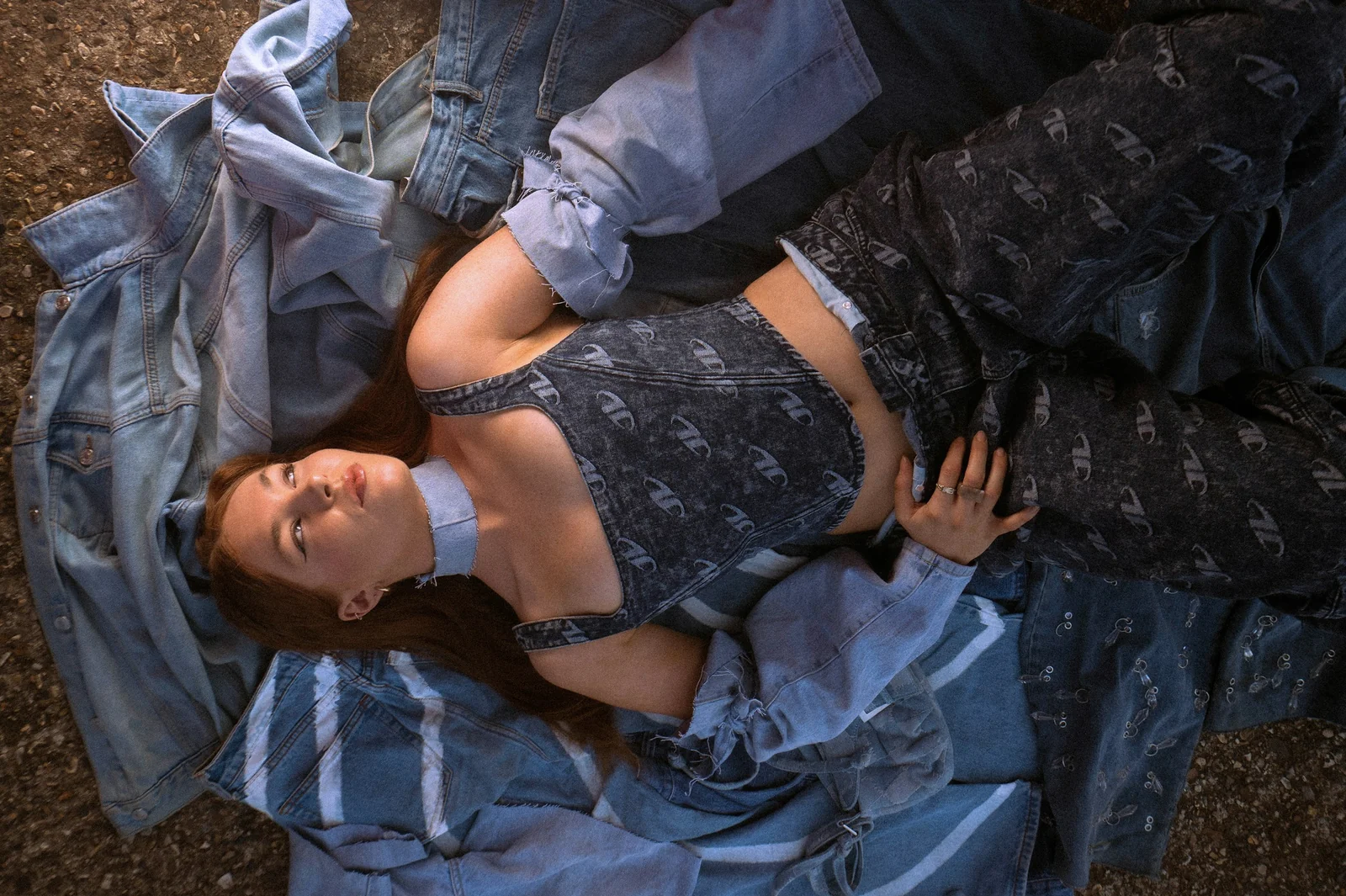
A denim jacket can look perfect in a product photo and still disappoint the moment you wear it. A jacket that seems substantial may arrive with fabric so thin that it feels more like a shirt. Black denim may leave dark marks on your hands and phone case. A new jacket can carry a strong chemical smell that survives wash after wash, while a cotton jacket may shrink enough after its first wash to change the fit completely.
Fit can cause another surprise. The torso may feel comfortable while the sleeves pinch your arms, or a sherpa lining may look warm but shed fibers through weak seams.
These problems are easier to avoid when you know what to check before buying. Fabric weight, construction, color transfer, shrinkage, sleeve room, lining quality, and overall styling all give you useful clues about whether a denim jacket is likely to work in everyday life.
DEFECT AUDIT OVERVIEW
| Product Area | Common Problems | Why It Matters |
|---|---|---|
| Fabric and color | Very thin denim or heavy dye transfer | Can reduce durability and stain hands, clothing, and personal items |
| Fit and care | Excessive shrinkage or narrow sleeves | Can make the jacket uncomfortable or difficult to wear after washing |
| Lining and construction | Shedding sherpa, loose seams, weak hardware | Can reduce warmth, comfort, and long-term reliability |
Why Denim Jacket Fabric Needs to Be at Least 12 Ounces to Prevent Tearing
A denim jacket is supposed to feel like an outer layer, not a shirt wearing a jacket's name. When the fabric arrives thin as paper, the problem is obvious the moment you put it on: there is little shape, little protection from wind, and not much confidence that it will survive regular wear.
One reviewed example, coded OFH-AUDIT-9BV5, was described as having material far too thin for a jacket. Another case, OFH-AUDIT-1CFZ, reported fabric that could tear with minimal effort and showed failure within weeks.
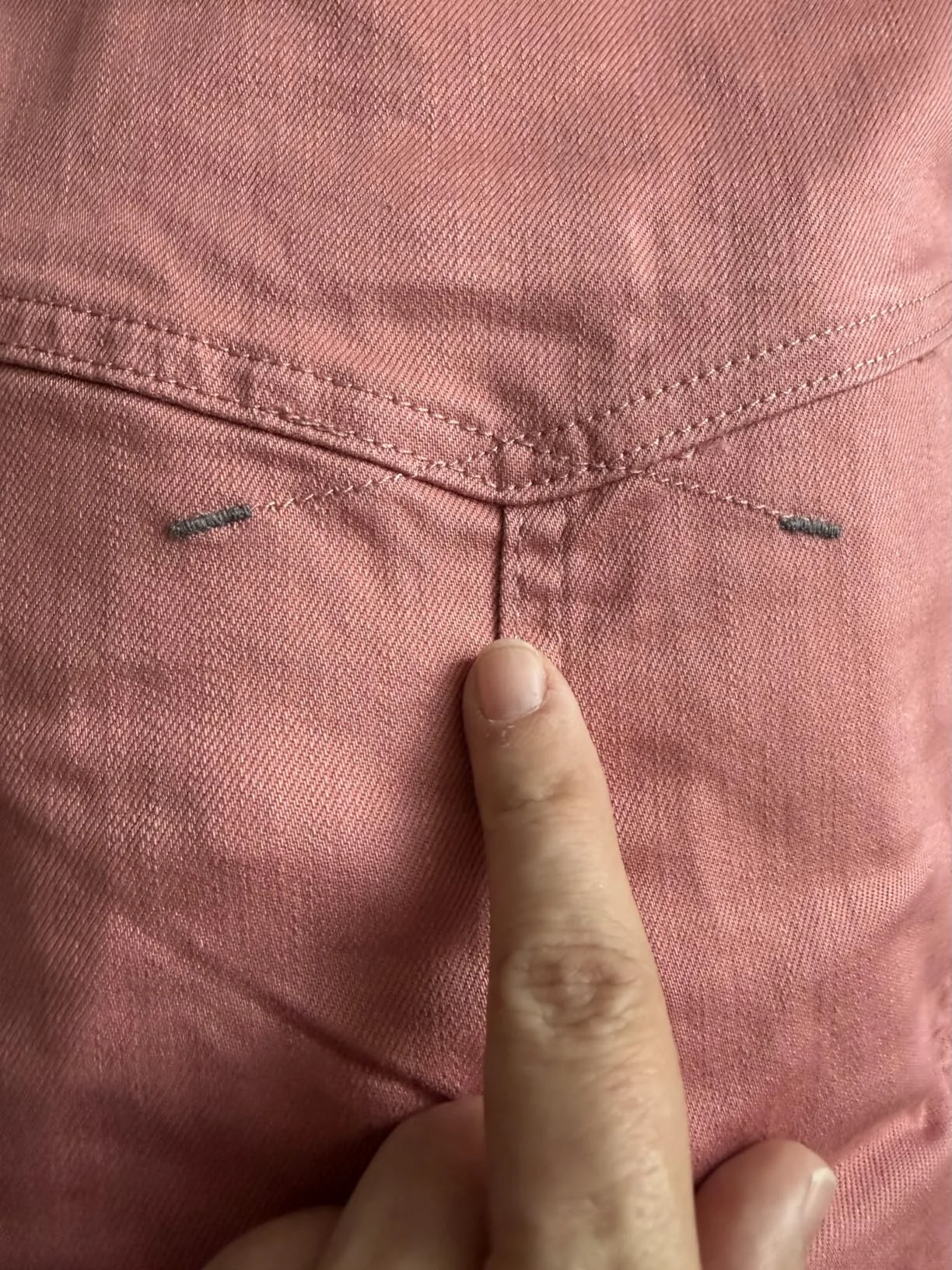
But the useful question is not simply whether a jacket feels heavy in your hands. Fabric weight gives you a practical starting point for judging whether the garment is built like a jacket at all.
For traditional denim, the 12–14 oz/yd² range is a meaningful benchmark. At that weight, tightly interwoven cotton yarns create the firm, substantial feel shoppers generally expect from a durable denim jacket.
The weave matters too. A classic 3x1 twill construction keeps the yarns closely interlocked, helping the fabric hold its shape instead of behaving like a lightweight shirt material.
🧵 Hold the Fabric Before You Buy
Pinch a section of the jacket between your fingers and gently pull it apart. If it feels unusually flimsy, collapses immediately, or behaves more like a thin overshirt than an outer layer, the advertised silhouette may be doing more work than the fabric itself.
That distinction matters because 6–8 oz denim can be perfectly appropriate for lightweight clothing, but it should not automatically be treated as equivalent to a substantial jacket fabric.
The practical takeaway is simple: if your priority is a structured, hard-wearing denim jacket, look for 12 oz or heavier fabric, preferably around 12–14 oz for a traditional feel. The current examples show why shoppers should be cautious when a jacket is presented as substantial but arrives with paper-thin material and poor resistance to tearing.
What Causes Persistent Chemical Smells in Denim and Why Normal Washing Fails
You open a new denim jacket expecting that familiar cotton-and-indigo smell. Instead, a sharp kerosene-like, acidic, or musty odor hits immediately, and the problem becomes more frustrating when ordinary washing barely changes it.
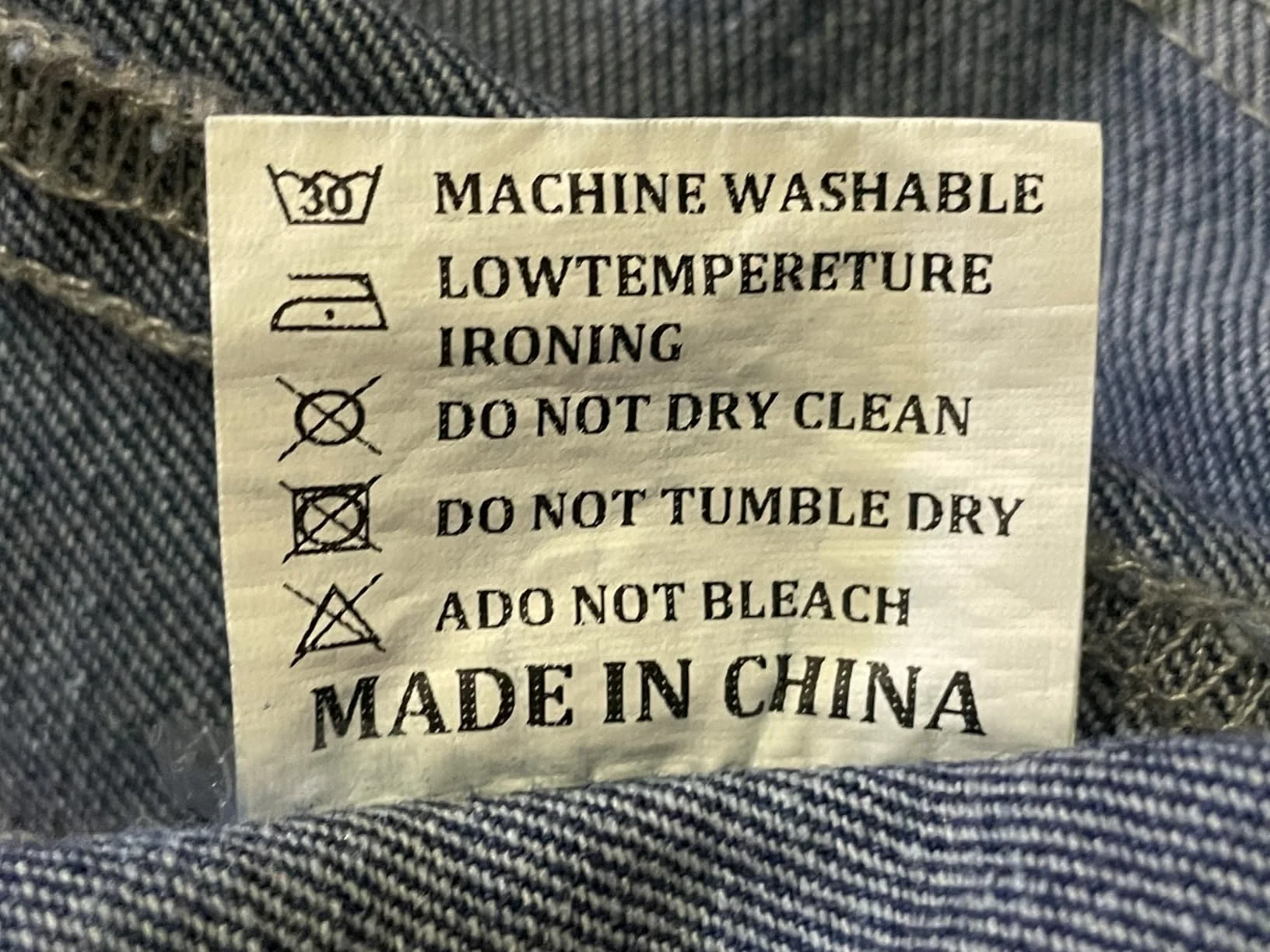
One reviewed case, coded OFH-AUDIT-4MKJ, reportedly went through six washes plus baking soda, vinegar, and other deodorizing attempts while the strong chemical smell remained. Another, OFH-AUDIT-1RTN, arrived with an ammonia-like odor so strong that the wearer also found food debris inside the pocket, raising an entirely different question about the garment's condition.
That is why "new clothes smell" should not automatically become a convenient excuse. If the odor survives repeated washing, the issue deserves closer attention rather than another round in the washing machine.
The material itself can be part of the story. Denim production can involve dyes and finishing treatments, and poorly controlled garments may retain an unpleasant smell that does not disappear easily through normal home washing. A better-made jacket should provide clearer information about how its materials and dyes were handled.
🧪 Smell It Before You Trust It
If a jacket already smells sharply chemical straight out of the package, take a moment before wearing it. Check the inside, pockets, seams, and lining, and compare the odor after one careful wash rather than assuming repeated washing will eventually solve everything.
For shoppers concerned about skin contact, OEKO-TEX® Standard 100 certification is a useful quality signal because certified products are assessed for substances that can be harmful to people. It does not turn every certified garment into a guarantee of perfect workmanship, but it gives you a more meaningful checkpoint than fragrance-heavy packaging claims.
A persistent odor combined with questionable cleanliness is especially hard to dismiss. The two reviewed cases show why strong smells that remain after washing deserve caution, particularly when the garment is intended for frequent wear.
Black Denim Dye Transfer: How to Tell if Color Will Rub Off on Hands and Phone Cases
Black denim can look sharp and polished when new, but that dark finish becomes a problem when the color starts migrating onto everything it touches. Hands, white shirts, light-colored leather bags, and even phone cases can end up visibly stained after only one wear.
One reviewed case, coded OFH-AUDIT-933B, reportedly left black dye on the wearer's hands and phone case almost immediately. Another, OFH-AUDIT-1MP8, showed the same transfer problem, with machine washing spreading the loose color through the rest of the laundry.
That is more than a minor cosmetic annoyance. If loose dye transfers during normal contact, the jacket can turn everyday friction into a contamination problem, especially around cuffs, pockets, underarms, and anywhere the fabric repeatedly touches another surface.
🖐️ Rub the Darkest Area Before Wearing It
Take a clean white tissue or cloth and firmly rub a hidden section of the black denim for several seconds. Check the cloth afterward: a noticeable black or blue-gray transfer is a warning sign that deserves attention before you pair the jacket with light clothing, leather, or a pale phone case.
The underlying issue is color fastness. Indigo and sulfur-black denim require controlled dyeing and finishing, followed by appropriate washing and treatment to reduce loose dye remaining on the fabric surface. When that process is poorly controlled, body heat, moisture, and repeated friction can make dye migration much more noticeable.
This is particularly important with black denim because the contrast makes even moderate transfer obvious. A jacket that leaves a faint mark after rubbing is different from one that immediately turns a white cloth dark; the amount of transfer matters when judging the practical risk.
A simple pre-wear rub test cannot prove exactly how a garment was manufactured, but it can reveal a problem before your jacket meets your favorite white shirt. If substantial dye comes off during ordinary dry rubbing, treating the garment cautiously is more sensible than discovering the problem after it has stained something difficult to replace.
How Much Does a 100% Cotton Denim Jacket Shrink After the First Wash?
You buy a 100% cotton denim jacket according to the size chart, and it fits exactly as expected. Then one ordinary wash later, the sleeves feel shorter, the body pulls tighter, and the jacket may no longer fasten comfortably.
One reviewed case, coded OFH-AUDIT-1CFZ, reportedly experienced severe dimensional shrinkage after a single room-temperature wash, even without putting the jacket in a dryer. That makes the washing label just as important as the original measurements when judging whether a cotton denim jacket will remain wearable.
The reason is built into the fiber. 100% cotton denim can contract as stresses held in the yarn and fabric structure are released, with available research indicating typical shrinkage of around 3–5%, and potentially higher in some fabrics.
🔥 Measure Before You Give It a First Wash
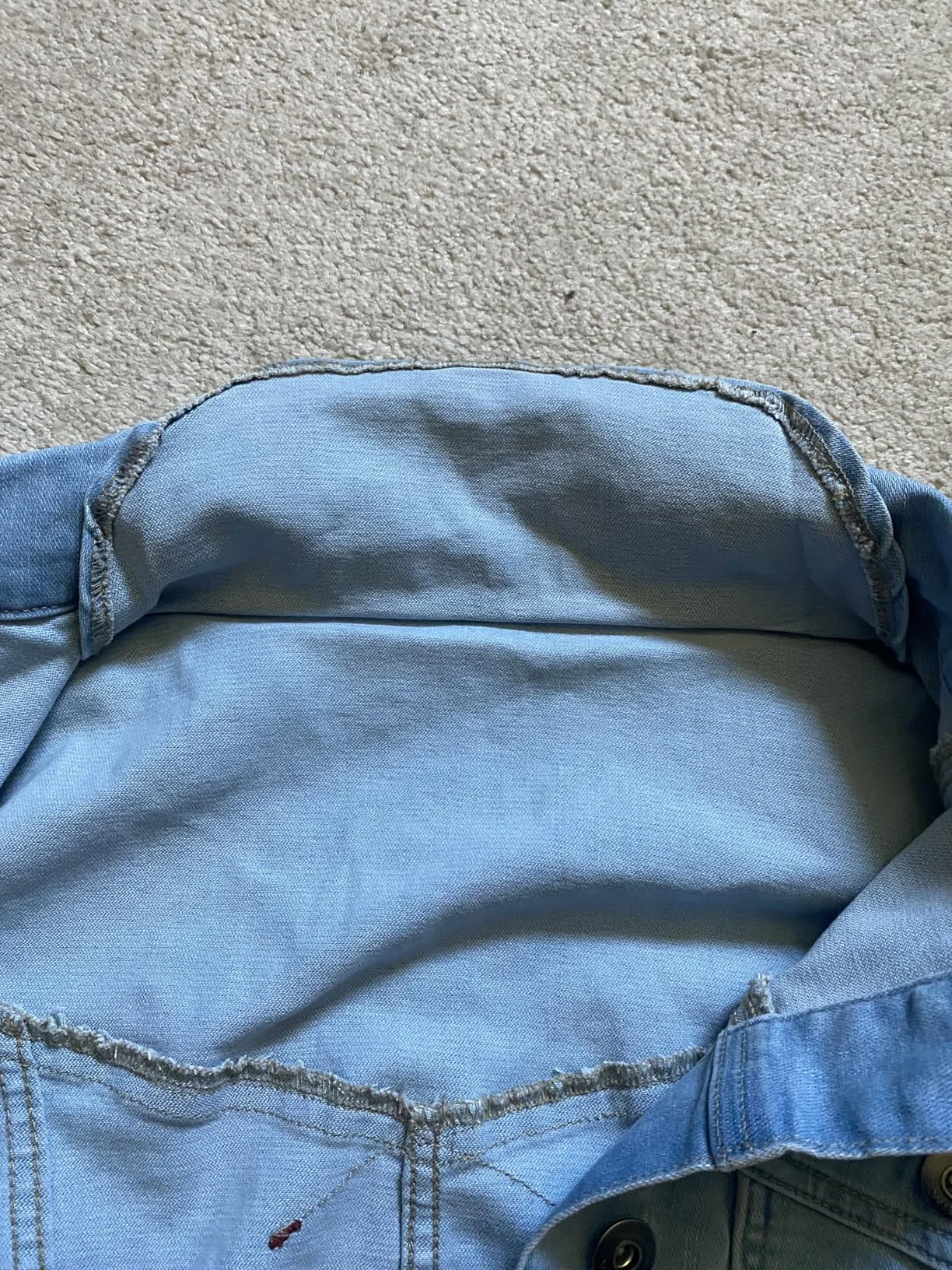
Before washing a new cotton denim jacket, measure the sleeve length, body length, and one key width point. Write those measurements down and compare them with the same points after washing; a noticeable change gives you a much clearer picture than relying on memory.
This is where pre-shrinking becomes important. Quality denim should undergo Sanforized® pre-shrink treatment before reaching the customer, reducing the amount of dimensional change expected during normal care.
Your washing method still matters, even with treated denim. General care guidance calls for cold-water washing and flat drying in the shade, while high-temperature tumble drying should be avoided because heat can increase dimensional change.
A dramatic one-wash reduction is not something every 100% cotton jacket will experience. However, the reviewed case shows why cotton content alone is not enough to predict fit retention. Pre-shrink treatment, the garment's care instructions, and your willingness to avoid high heat all matter when you want a denim jacket to keep the size you originally paid for.
Recognizing Poor Sleeve Grading When a Jacket Fits the Torso but Pinches the Arms
A denim jacket can look perfectly reasonable across the shoulders and torso, yet become almost impossible to wear once you move your arms. The body may have plenty of room while the sleeves squeeze the upper arms so tightly that even a thin T-shirt becomes difficult to accommodate.
One reviewed case, coded OFH-AUDIT-1CFZ, showed the mismatch clearly: the sleeves were excessively long but unusually narrow around the arm, creating a fit that was awkward rather than simply "too small." Another case, OFH-AUDIT-BV5K, involved four separate size orders, yet the sleeves remained so restrictive that the wearer still could not comfortably get an arm through.
That pattern points toward a grading problem rather than just choosing the wrong overall size. Making the torso larger does not automatically give the arms enough room.
📏 Bend Your Arms Before Judging the Fit
Put the jacket on and bend both elbows to roughly a right angle. Move your arms forward and outward, then check whether the upper sleeves pinch, pull the shoulder area downward, or prevent a normal range of movement; a jacket that only works while your arms stay still is poorly matched to real wear.
The technical explanation centers on the relationship between the armhole and sleeve dimensions. A basic pattern may enlarge the body width without proportionally increasing the armhole and bicep circumference, leaving the torso looking oversized while the sleeves remain restrictive.
This is particularly noticeable when sleeve length and sleeve width are poorly balanced. A longer sleeve does not compensate for insufficient circumference; extra fabric at the wrist cannot solve a sleeve that is already too narrow around the upper arm.
A single tight sleeve does not prove a factory used an inferior pattern, since body proportions vary substantially between wearers. But when repeated size changes produce the same arm restriction, the problem is less likely to be solved by simply ordering another size. The better test is whether the sleeve dimensions support comfortable movement—not whether the torso happens to look correctly sized in a mirror.
Problems to Watch for in Sherpa-Lined Jackets: Shedding Fleece and Loose Insulation
You buy a sherpa-lined denim jacket for colder weather expecting the lining to add warmth. Instead, cold air cuts through the jacket while loose fleece and insulation escape through the hem and side seams, leaving fibers stuck all over your clothing.
One reviewed case, coded OFH-AUDIT-BV5K, described a jacket advertised for warmth that behaved more like a thin shirt. The side seams reportedly opened and released loose insulating material, while the fleece continued shedding enough to cover the wearer and their inner layers.
That combination matters because a warm-looking lining does not automatically create a warm jacket. If the insulation is loose or the outer construction allows air to pass freely, extra fleece can become decoration rather than effective protection.
🧵 Pinch the Seam Before You Put It On
Turn the jacket inside out and gently pinch the lining along the hem and side seams. Run your fingers along several inches of stitching and give the area a light tug; if fibers immediately pull through the seam or the lining separates easily, the construction deserves closer inspection.
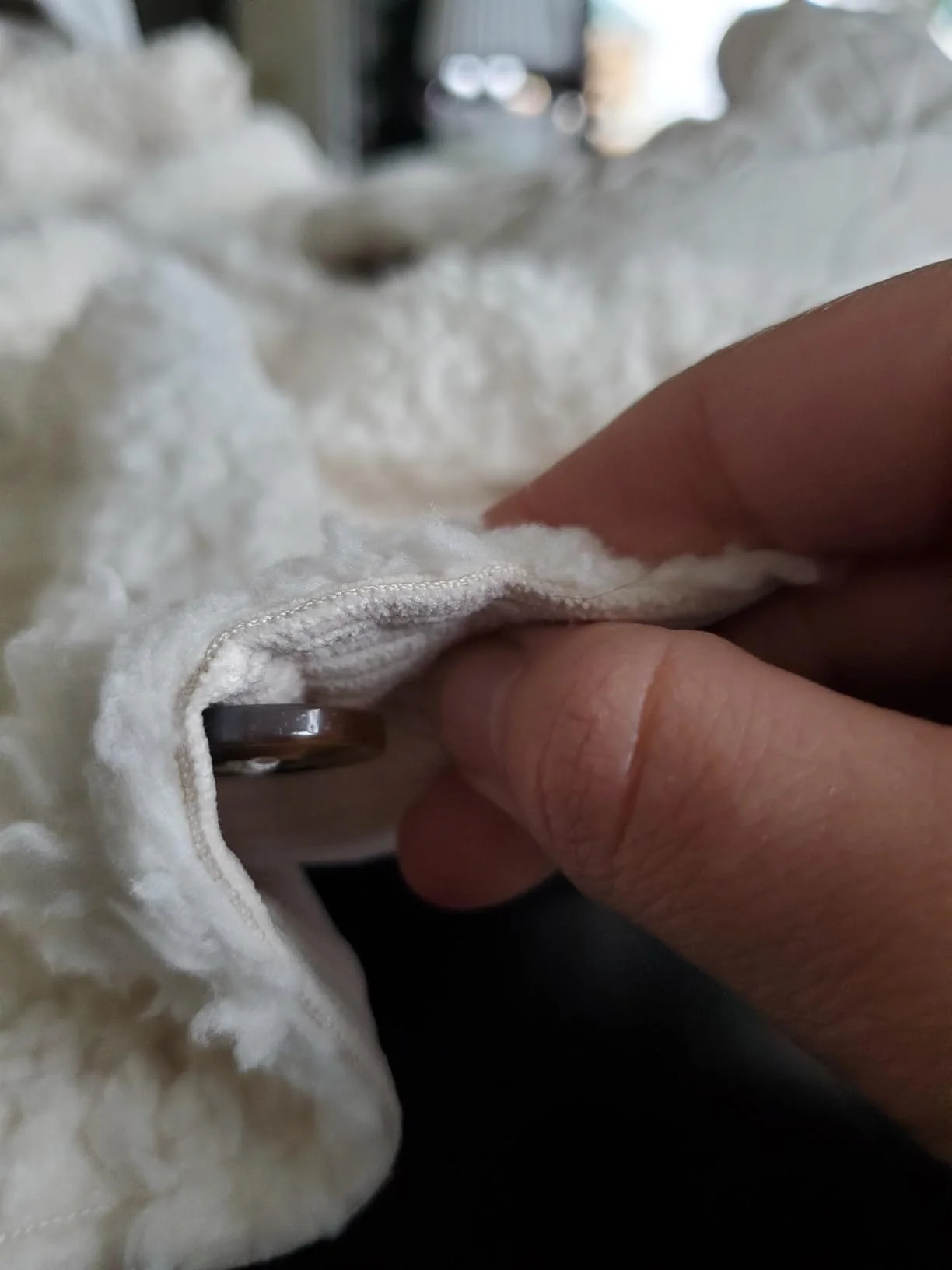
A properly constructed insulated garment needs the lining and insulation to remain contained during ordinary movement. Available evidence points to dense seam finishing and stitching designed to hold the insulation in place as important parts of a durable composite structure.
Lower-cost imitation sherpa constructions may instead rely on adhesive bonding or relatively loose single-line seam finishing. Those methods can be more vulnerable to repeated pulling, bending, and everyday movement, allowing the lining to loosen or shed.
The reviewed case does not mean every sherpa-lined jacket with some initial shedding is defective. Some fleece fabrics can release a small amount of loose fiber when new. The more meaningful warning is persistent shedding combined with open seams, loose insulation, and inadequate wind protection—signs that the lining may not be performing the job the jacket was purchased to do.
Is a Selvedge Denim Jacket Worth It for Daily Wear and Longevity?
If you are tired of denim jackets that lose their shape after a couple of washes, a selvedge jacket offers a different proposition: buy fewer garments and keep one for much longer. The appeal is not simply that the fabric feels stiff or expensive, but that its construction is designed around durability and developing character through wear.
One reviewed case, coded OFH-AUDIT-4MKJ, describes a jacket that felt extremely stiff while still suffering a major hardware failure when a snap button broke during its first use. That is an important distinction: heavy-feeling denim alone does not guarantee that every component of a jacket is durable.
🧵 Find the Edge Inside the Jacket
Turn the jacket inside out and inspect the fabric edge around an interior seam. Look for the characteristic Selvedge ID stripe, often appearing as a red-and-white line woven directly into the fabric edge rather than simply printed onto it.
Traditional shuttle-loom weaving produces a finished fabric edge that is physically self-contained. This helps prevent the edge from unraveling as easily as an unfinished cut edge, giving selvedge denim one of its recognizable construction advantages.
The other attraction develops gradually rather than appearing on the first day. As the jacket experiences repeated friction from your arms, body, and everyday movement, the denim can develop an individual fade pattern shaped by how you actually wear it.
That makes a selvedge jacket particularly appealing if you want clothing that becomes more personal over time. Instead of replacing a fast-fashion jacket once it loses its shape, the goal is to keep wearing the same substantial garment and allow its wear marks to become part of its identity.
Still, selvedge should not be treated as a guarantee of decades-long life. Fabric construction is only one part of the equation; buttons, stitching, pattern quality, and overall manufacturing still determine whether the finished jacket holds up.
For someone who wears denim frequently and values long-term character, a well-constructed selvedge jacket can make more sense than repeatedly replacing inexpensive alternatives. If you mainly want a soft, lightweight layer that requires little break-in, however, the extra stiffness and slower break-in period may not justify the trade-off.
Styling a Classic Trucker Denim Jacket Over 50 Without Looking Outdated
A classic trucker jacket does not suddenly become inappropriate when you turn 50. The bigger styling risk is choosing a jacket whose excessive distressing, sloppy fit, or cheap-looking finish works against the polished appearance you want.
One reviewed example, coded OFH-AUDIT-1RTN, was described as falling apart while also relying on a heavily distressed aesthetic. When visible damage becomes the dominant feature of a jacket, it can make an otherwise intentional outfit look less refined rather than more contemporary.
For a more timeless approach, start with dark-wash indigo denim and a clean, well-proportioned silhouette. Skip unnecessary rips, exaggerated fading, and decorative distressing that can make the jacket feel tied to a particular trend.
🪞 Try It With Your Most Polished Basics
Put the denim jacket over a simple cashmere sweater or similarly refined knit, then pair it with tailored trousers. Look at the complete outfit rather than the jacket alone; the contrast between structured denim and refined basics can make the jacket feel deliberate instead of youthful for youthfulness's sake.
A heavier natural cotton denim can also contribute useful structure. The fabric's inherent firmness gives the trucker silhouette definition, while a dark, relatively uniform wash keeps the overall appearance restrained.
This approach works because the goal is not to disguise your age or imitate a younger wardrobe. It is to let a familiar denim shape become part of a more mature outfit vocabulary. A clean jacket can bridge casual and polished settings without relying on obvious fashion tricks.
The idea that denim is exclusively for younger people is therefore too narrow. What matters more is the combination of fabric quality, fit, wash, and styling.
A dark, clean trucker jacket can work very well for adults in their 40s, 50s, and 60s, but there is no single age at which it becomes automatically sophisticated. If the fit is poor or the garment looks cheaply distressed, the jacket can undermine the outfit at any age. Choose restraint over forced youthfulness, and let the rest of the outfit provide the polish.
CONCLUSION
A good denim jacket does not need to be the heaviest, stiffest, or most expensive option available. What matters is whether the fabric, fit, construction, and care requirements match how you plan to wear it.
Start with the fabric. For a traditional, structured denim jacket, 12–14 oz denim is a useful range to look for. Then check how the jacket feels and moves rather than judging it only by its appearance. If you buy black denim, a simple rub test can reveal whether loose dye is likely to become a daily nuisance.
For 100% cotton denim, pay close attention to shrinkage and washing instructions. Measure the jacket before its first wash if keeping the original fit matters. When trying it on, bend your arms and move normally instead of checking only how it looks while standing still.
For sherpa-lined styles, inspect the seams and lining. And if you choose selvedge denim, remember that good fabric alone does not guarantee strong buttons, stitching, or hardware.
THE ULTIMATE BUYING VERDICT
| Verdict | Key Consideration | Recommendation |
|---|---|---|
| 🔴 Significant concerns | Very thin denim, major dye transfer, persistent chemical odor, severe shrinkage, restrictive sleeves, or loose sherpa seams | Be cautious about buying when several of these problems appear together, especially if the jacket is intended for frequent wear |
| 🟡 Acceptable with limitations | Lightweight 6–8 oz denim, some initial fleece shedding, natural cotton shrinkage, or the extra stiffness of selvedge denim | These characteristics can be reasonable when they match your needs, but understand the trade-offs before buying |
| 🟢 Meets long-term expectations | Substantial 12–14 oz denim, controlled color, manageable shrinkage, comfortable sleeve proportions, secure lining, and well-made construction | Look for these qualities when you want a structured denim jacket that can handle regular wear and maintain its usefulness over time |