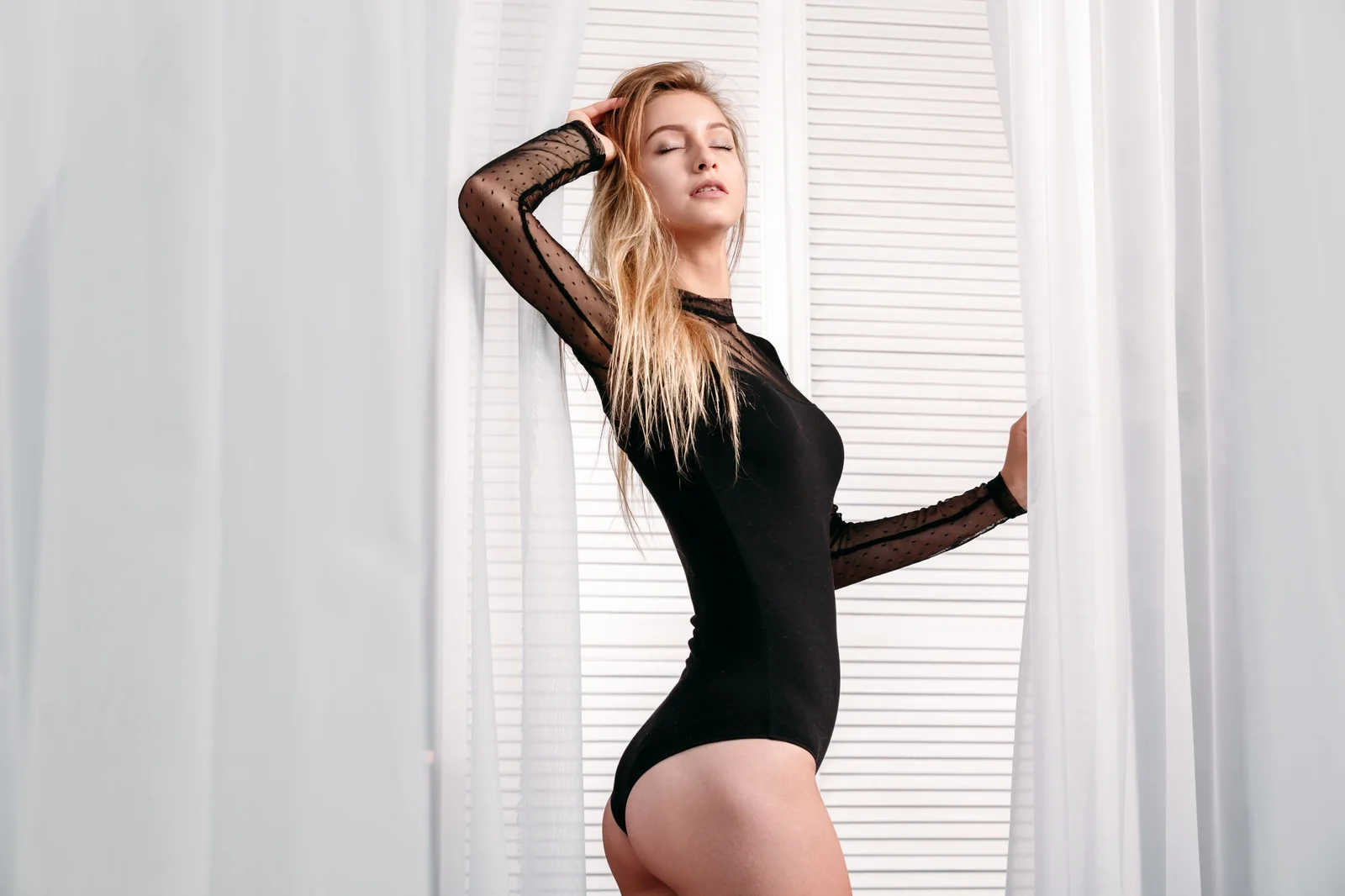
A shapewear piece can look promising on the product page and still feel wrong once you put it on. You may get the compression you wanted, only to find that the butt looks flatter because the garment squeezes everything inward. Or the leg opening stays firmly in place but leaves painful marks and blisters. For longer torsos, another problem can appear: the size label says plus size, yet the garment rides up and leaves part of the lower abdomen uncovered.
The common thread is that fit is not just about choosing a larger or smaller size. The way pressure, coverage, support, and leg openings are designed can change how shapewear actually feels and looks. The examples in this review show why buyers should look beyond words such as "maximum compression" and examine where the garment provides support, how it grips the thighs, and whether its vertical length matches the body.
How Targeted Compression Bands Provide Butt Lifting Without Flattening Natural Curves
A butt-lifting shapewear piece should not make the entire lower body feel like it has been vacuum-sealed. When the same hard squeeze runs across the butt, hips, and upper thighs, the fabric can simply press everything inward, leaving the rear looking flatter instead of higher.
That is exactly the kind of disappointment reported with OFH-AUDIT-MYZY. The butt and leg openings were described as too loose to provide meaningful lift or compression, and the garment was also reported as lacking enough tension to actually shape the area.
But there is another failure worth watching for: too much pressure in the wrong place. If a garment treats the butt like one solid block instead of leaving room around the fullest part, it can erase the curve it was supposed to emphasize. A shapewear piece can be very tight and still produce a surprisingly unlifted silhouette.
🪞 Turn Around and Look at the Butt Panel
Put the garment on and check whether the fabric pulls equally hard across the entire rear. Then look for a section that gives the fullest part of the butt more room while the area directly underneath feels more supportive.
That difference matters because the lifting design described in the supporting evidence works more like a trampoline: firmer support underneath, easier movement around the curve. The goal is to push upward from below rather than simply squeeze the whole shape inward.
A second reported example, OFH-AUDIT-VGPD, pointed to the opposite problem: users described the garment as too soft and lacking meaningful control, with the leg hems rolling upward. That is a useful reminder that softness alone is not a lifting feature either.
For shoppers comparing butt lifting shapewear, look beyond claims such as "maximum compression." A more convincing design gives the lower butt support while allowing the fullest area to keep its natural shape. The available feedback suggests that this targeted approach is worth prioritizing, especially if the goal is a lifted silhouette rather than a flattened one.
Why Silicone Leg Grippers Can Cause Blisters and Chafing on Sensitive Thighs
A leg gripper is supposed to keep shapewear from creeping upward. The problem starts when that grip comes from a thick silicone strip pressed tightly against skin, especially around the inner thigh where movement creates repeated rubbing.
One documented case, OFH-AUDIT-MYZY, described a much worse outcome: the silicone grip around the thigh reportedly caused ring-shaped blisters and broken skin during the first wear. Instead of quietly keeping the garment in place, the gripper became the part of the garment the wearer could not comfortably tolerate.
But the issue is not simply whether silicone feels sticky. When a gripper stays firmly attached while the surrounding skin keeps moving, taking the garment off can turn into an unpleasant tug-of-war. The reported blistering in this case is a useful warning that a garment can solve roll-up problems while creating a different problem at the skin-contact point.
🩹 Look Closely at the Thigh Grip
Before wearing a new pair for hours, turn the leg opening inside out and examine the gripping area. If the design uses a wide, continuous strip that seals against the skin, pay particular attention to how much surface area will remain in direct contact with your thigh.
The alternative described in the supporting material relies less on one heavy strip: small breathable grip points or a fabric-based hold can keep the garment positioned without covering the entire contact area with a dense layer of grip material.
That distinction matters most for anyone who already knows their inner thighs are sensitive to rubbing. A garment that stays perfectly still is not necessarily a good garment if removing it leaves the skin irritated.
For shoppers comparing shapewear with anti-roll features, the grip itself deserves as much attention as the compression. The reported experience tied to OFH-AUDIT-MYZY makes a strong case for checking how the thigh opening holds the garment in place, rather than assuming a stronger-feeling grip is automatically better.
Best Plus-Size Shapewear for Longer Torsos: How to Avoid Tight Red Marks and Short Coverage
For a longer torso, sizing up is not always the answer. A garment can be labeled plus-size yet still leave the lower abdomen exposed, while the upper edge digs into the body because the piece is simply too short from top to bottom.
That problem is visible in OFH-AUDIT-6RQ. A wearer with a 20-inch torso reported that the garment left part of the belly uncovered, while the supposed 2XL fit more like a much smaller size and felt painfully restrictive. The result was described as less like smoothing and more like being squeezed into a can of biscuits.
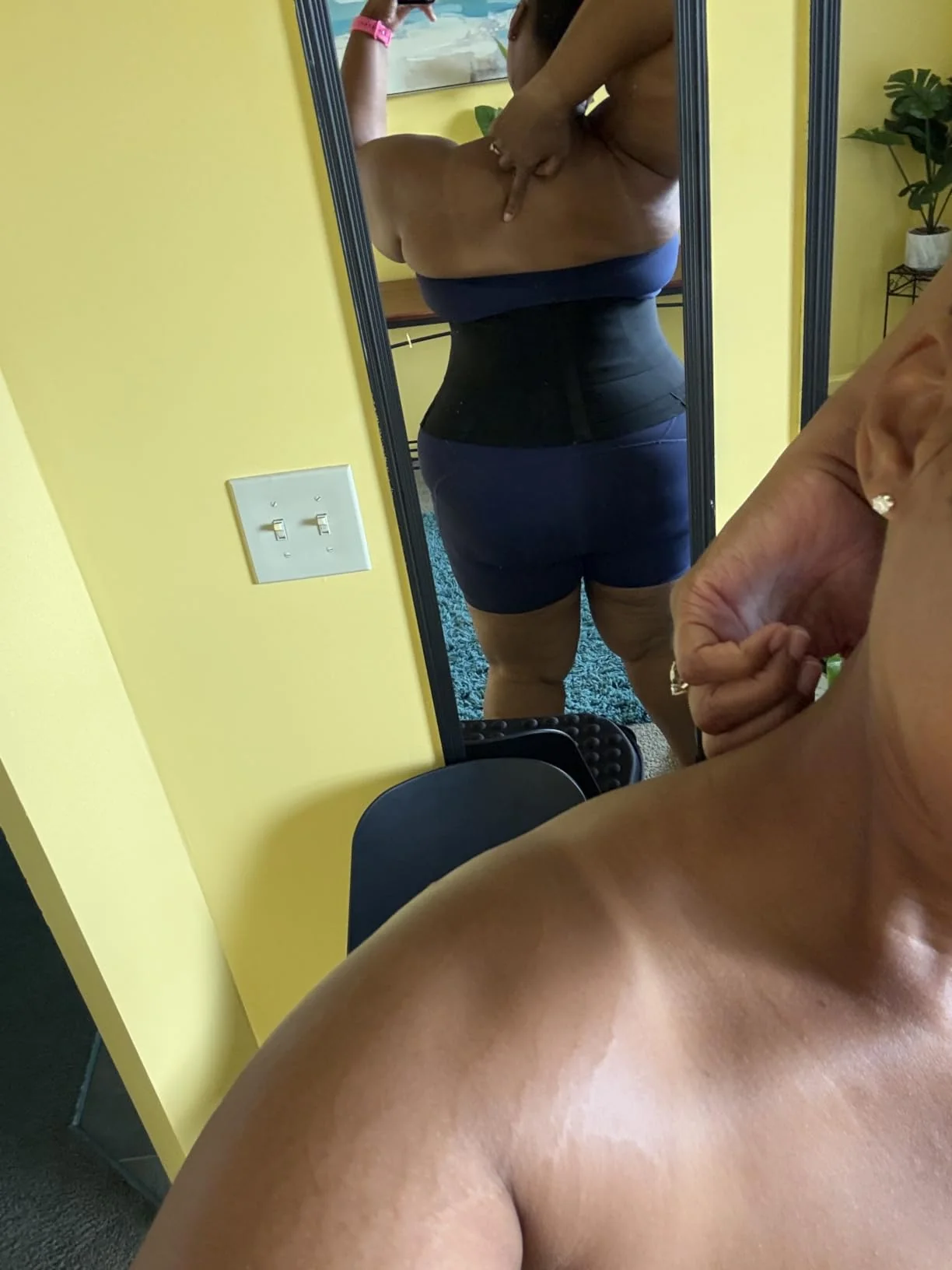
The bigger issue is how the pattern was made. If a basic smaller-size pattern is widened without adding enough vertical length, the garment may technically become wider while remaining too short for a longer torso. Once pulled upward to cover the waist, the available length gets used up, leaving the lower abdomen exposed and forcing the edges into the body.
📏 Measure the Vertical Length Before You Buy
Lay the shapewear flat and measure from the upper edge to the lowest point of the garment. Then compare that measurement with your own torso length rather than relying only on the waist or hip size on the chart.
A more convincing plus-size design should account for body length as well as circumference. The supporting material describes graded pattern drafting based on real 4X–6X body scans, meaning larger sizes are developed with three-dimensional body proportions in mind, rather than simply stretching a smaller pattern sideways.
For shoppers looking for plus size shapewear, torso length should therefore sit beside waist and hip measurements on the buying checklist. The experience associated with OFH-AUDIT-6RQ shows why a garment can have the right label and still provide the wrong coverage; for longer torsos, vertical fit deserves its own measurement before purchase.
CONCLUSION
The best shapewear is not simply the tightest piece you can tolerate. A useful design should support the areas you want shaped without squeezing every part of the body in the same way. For butt lifting, look for support beneath the fullest part rather than constant pressure across the entire rear. For thigh openings, inspect how the garment stays in place instead of assuming a stronger silicone grip is better. And if you have a longer torso, check the garment's vertical length alongside your waist and hip measurements.
The documented examples also show why trying to solve one problem with more compression can create another. A loose garment may fail to lift, while an overly tight one can flatten curves or cause uncomfortable skin contact. Before buying, focus on where the garment provides support, how much room it leaves for natural curves, and whether its dimensions match your body.
THE ULTIMATE BUYING VERDICT
| Verdict | Key Consideration | Recommendation |
|---|---|---|
| 🔴 Significant concerns | Poorly targeted compression, harsh thigh grips, or insufficient torso length can lead to flattening, skin irritation, or exposed lower-abdomen coverage. | Be cautious with garments that rely on uniform squeezing, thick continuous silicone strips, or sizing that only increases width without enough added length. |
| 🟡 Acceptable with limitations | Softer shapewear may feel comfortable but can lack useful control, while firm grips may prevent rolling but create uncomfortable skin contact. | Accept these trade-offs only when the garment's limitations match your needs and the contact areas remain comfortable during wear. |
| 🟢 Meets long-term expectations | Targeted support beneath the butt, gentler grip designs, and sizing that considers both body circumference and vertical length offer more balanced fit. | Look for support that lifts without flattening natural curves, secure leg openings without excessive skin contact, and torso measurements that match your own proportions. |