
You order a jumpsuit for a wedding, dinner, or special event, and it looks great in the photos. Then it arrives with deep packing creases that will not come out. You try it on and find the torso pulls when you sit, the fabric feels itchy, or the zipper catches at the waist. In worse cases, the crotch seam may fail after only a few hours of normal movement, or the package may show signs that the item was already worn and returned.
The problems in this article are not about one simple bad fit. They cover the full buying experience, from unboxing and first inspection to washing and wearing the jumpsuit all day. A careful buyer should check how the fabric recovers, how the garment moves, how the zipper works, and whether the item arrives clean before trusting it for an important occasion.
DEFECT AUDIT OVERVIEW
| Situation | Real-World Impact | Practical Advice |
|---|---|---|
| Deep packing creases | Hard wrinkles can remain visible before an event | Test a small area for crease recovery before relying on the garment |
| Short torso or weak seam | Sitting and walking can cause painful pulling or seam failure | Sit, bend, and take long steps before removing the tags |
| Missing tags or stains | The jumpsuit may arrive in questionable condition | Inspect the smell, fabric, tags, and package before wearing or washing |
Why Lightweight Polyester Jumpsuits Develop Deep Creases That Ironing Cannot Fix
The most frustrating version of a bad jumpsuit is the one that looks polished online, then arrives looking like it was stored at the bottom of a laundry bin. One buyer connected to OFH-AUDIT-KWPJ reported deep wrinkles that remained stubborn before wear, while the fabric itself was described as cheap and low-grade. Another case, OFH-AUDIT-4437, combined severe packaging creases with an itchy, unpleasant feel against the skin.
For an event outfit, that is more than a cosmetic annoyance. You can unpack the jumpsuit, steam it, hang it up, try again—and still be staring at hard lines running across the legs and body while the clock keeps moving toward your reservation, wedding, or party.
🫳 Feel the Fabric Before You Trust the Hang
Lift a section of the jumpsuit and let it fall. Then gently squeeze it in your hand for a few seconds. If it feels papery, stiff, or springs back with a visible crease, that is a warning that the garment may not recover gracefully from travel and packing. If the fabric also feels itchy against bare skin, an all-day event can turn into a very long day.
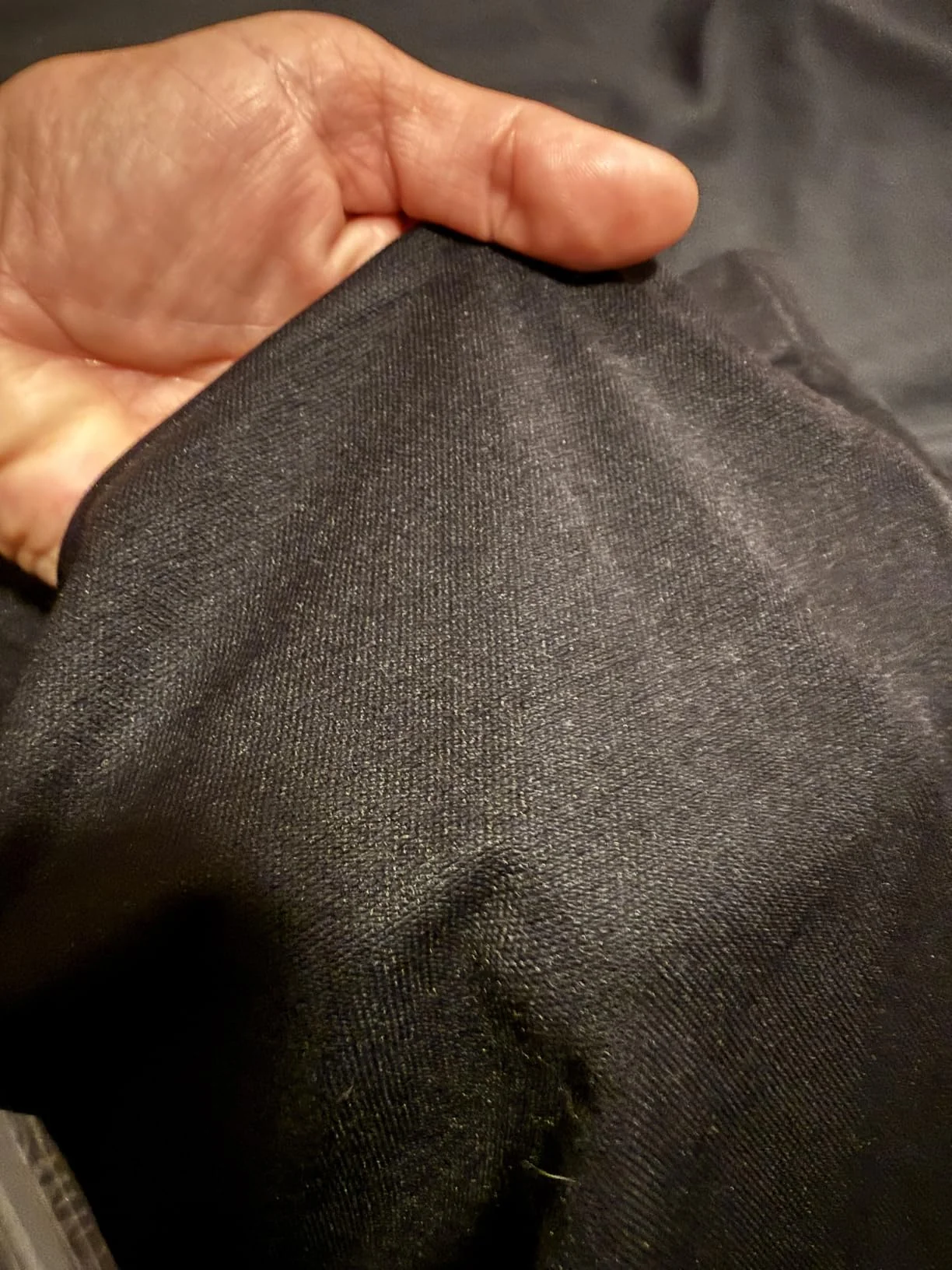
Better formal fabrics are selected to fall rather than fight. The supplied quality benchmarks point toward heavier satin around 12 ounces or 19-momme Mulberry silk for a smoother, more natural drape; long-staple cotton above 35 mm is also associated with better durability and softness.
The problem with ultra-light polyester is not simply that it is synthetic. A low-grade fabric can look glossy under studio lighting while behaving like a stubborn sheet once it is folded, compressed, and shipped. The wrinkles become especially punishing when the jumpsuit has large uninterrupted panels, because every crease is displayed across the body instead of disappearing into a seam.
If your formal outfit still looks permanently folded after careful steaming, the current buyer feedback suggests that this case may not deliver the ready-to-wear finish promised in the product photos. For an important occasion, paying a little more for fabric that hangs cleanly can be cheaper than discovering your "special outfit" needs rescuing an hour before you leave.
What Causes Crotch Seams to Tear After Just a Few Hours of Normal Sitting and Walking
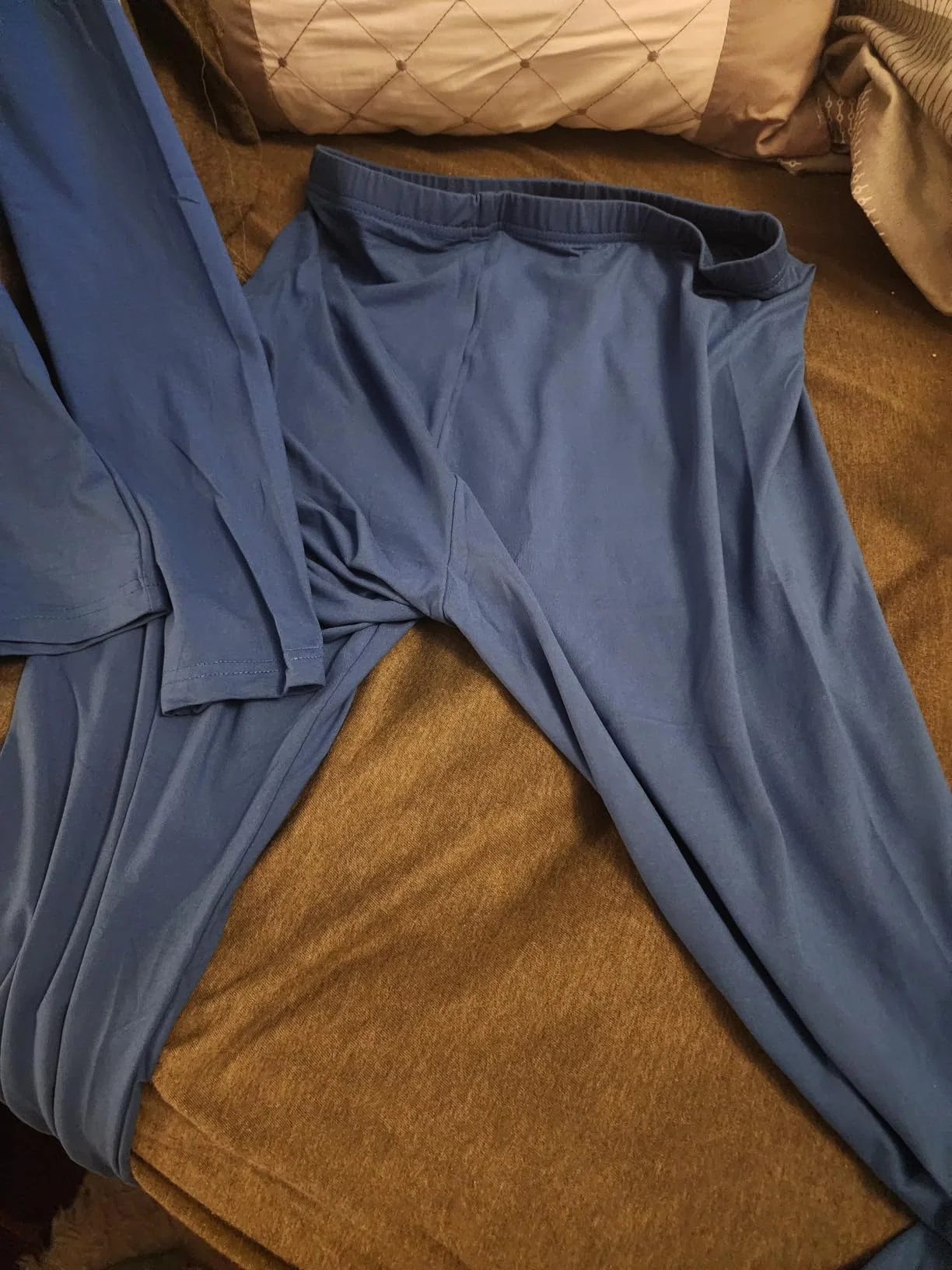
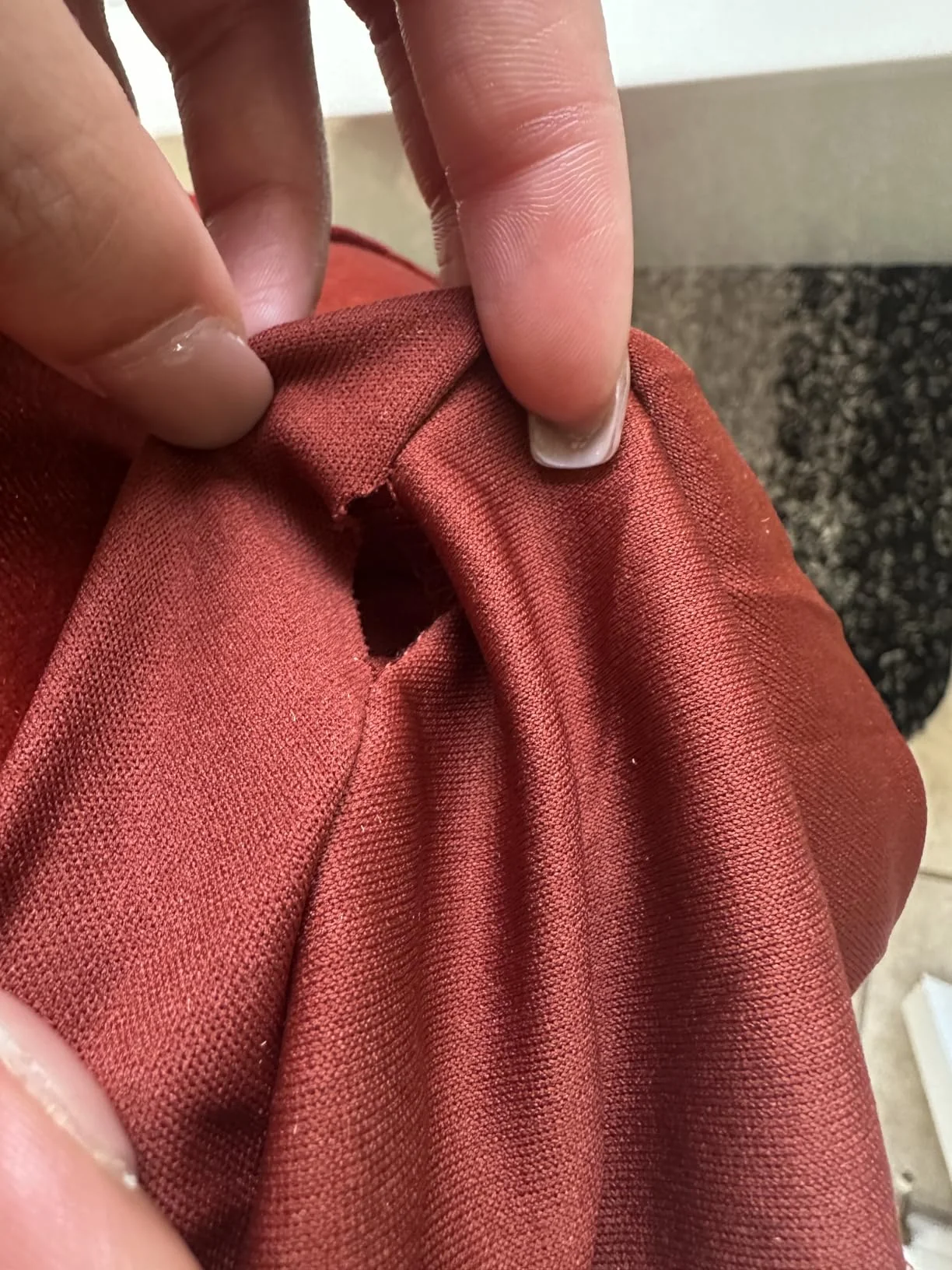
Few clothing failures are more embarrassing than a jumpsuit splitting at the crotch while you are simply sitting, walking, or bending. In the case linked to OFH-AUDIT-J8TD, one buyer reported the crotch seam coming apart in under five hours of first use, while holes appeared around the groin and leg areas within roughly 12 hours. The fabric was also described as so fragile that a minor nail snag could damage it.
That is the point where a fit problem becomes a wearability failure. You may leave home looking perfectly put together, then discover that ordinary movement has pulled the garment apart exactly where you have the least ability to ignore it.
A jumpsuit cannot be judged while standing still. Sitting down, climbing into a car, bending to pick something up, and taking normal strides all pull on the crotch area from different directions. If the cut and stitching are not prepared for those movements, the seam can take the full punishment.
🪑 Bend Before You Remove the Tags
Before wearing a new jumpsuit out, squat slightly, sit down, and take several long steps. Pay close attention to whether the crotch seam feels tight, pulls sharply, or makes the fabric stretch until you can see the stitching under pressure. If a gentle nail touch can snag the surface, treat that as another warning sign: the material may not tolerate normal friction for long.
A better-made jumpsuit should be developed around movement rather than a single static pose. The supplied design benchmark calls for 2D/3D CAD-based movement simulation and reinforced four-thread overlock construction so the garment can better handle bending and sitting without the seam opening under routine wear.
OFH-AUDIT-J8TD is a useful reminder that a flattering fit on a product page proves very little about what happens after several hours in the real world. When the crotch seam starts failing during ordinary movement, the whole jumpsuit can go from event-ready to unusable faster than the wearer has time to find a bathroom and change.
The feedback tied to this product points to a specific durability concern in this case. For any occasion where you expect to sit, walk, dance, or travel, a quick movement check before committing to the outfit is far safer than discovering a seam failure in public.
How to Prevent a Jumpsuit Torso from Being Too Short or Stretching Out Over the Day
A jumpsuit can fit perfectly for the first five minutes and still become miserable by lunchtime. The torso is where a one-piece either moves with your body or starts fighting it. In the case linked to OFH-AUDIT-4437, buyers reported a body length so short that it felt painfully high-cut, while the garment was also said to "grow" during wear and lose the shape it had when first put on.
That creates two opposite failures in the same garment: too tight where you need room, then too loose where you need support. Sitting pulls the short torso downward into the crotch. After several hours, a fabric that keeps stretching can begin to sag through the body and lose the clean silhouette you paid for.
🧍 Reach Up Before You Commit
Put the jumpsuit on, sit down, raise both arms, and take several long steps. If the crotch immediately pulls upward, the torso may be too short for your body. Then pinch a section around the waist or thigh and release it; if the fabric stays stretched instead of settling back, do not expect the original fit to survive a full day.
A better jumpsuit needs enough stretch to move and enough recovery to come back after it moves. The supplied quality benchmark calls for at least 20% stretch recovery, while graded sizing is intended to provide more realistic fit options across different body proportions and torso lengths.
This matters especially for longer torsos and fuller bodies, where forcing everyone into the same vertical measurement can create a painful fit even when the listed chest or hip size appears correct. A jumpsuit should not become a tug-of-war between your shoulders and crotch every time you sit down.
OFH-AUDIT-4437 shows why "stretchy" is not automatically a sign of comfort. A garment can stretch plenty and still fail if it does not return to shape. The reviewed feedback suggests that this case had both a torso-length problem and a tendency to lose its original fit during wear.
For all-day events, check the torso before trusting the size chart alone. If it pulls hard when you sit and hangs lower after a few movements, that fit is already telling you what the rest of the day may look like.
Unboxing Signs That Show an Online Jumpsuit Was Previously Worn and Returned
Some bad jumpsuits arrive with obvious quality problems. Others arrive with something worse: signs that another person may already have worn them. In the case linked to OFH-AUDIT-QXT8, buyers reported missing tags, visible lint, dog hair, deodorant residue, stains, and other signs that did not match the expectation of receiving a clean new garment.
The case tied to OFH-AUDIT-HYTM was even harder to ignore. Buyers described strong body odor and other unpleasant smells, missing tags, pet hair, stains—and one report of dirty underwear inside the package.
📦 Open the Package Like a Buyer, Not a Fan
Before trying on a newly delivered jumpsuit, check four things: the tags, the smell, the fabric surface, and the inside of the package.
Look for missing tags or signs of removal. Smell the garment for perfume, deodorant, or body odor. Check the neckline, underarm area, hem, and crotch for hair, lint, makeup, or stains. Finally, inspect the entire package for foreign items that clearly do not belong there.
Do this before you wear it, wash it, or throw away the packaging. Once you have mixed a questionable item into your laundry, proving its original condition becomes much harder.
A previously worn return can be especially easy to miss when the garment has been quickly refolded and placed back into a new-looking mailer. That is why the packaging itself is not proof that the clothing inside is untouched.
The most useful warning sign is often a combination of small details. A single loose thread might be harmless. But missing tags, strange odors, pet hair, deodorant marks, and stains appearing together paint a very different picture.
If you spot multiple signs like those reported with OFH-AUDIT-QXT8 or OFH-AUDIT-HYTM, photograph everything before starting a return request. The buyer feedback tied to these consumer evidence cases suggests that careful unboxing is not paranoia—it is simply part of checking whether the item delivered matches the condition you actually paid for.
Why Back Zippers Frequently Get Stuck at the Waistline Seam on One-Piece Outfits
A jumpsuit can look perfect on the hanger and still fail at the exact moment you need to get in or out of it. The most frustrating version is a back zipper that moves smoothly at first, then hits the waist seam and simply stops. In the case linked to OFH-AUDIT-QXT8, the zipper was reported as unable to pass the seam, preventing the garment from closing properly.
That creates a problem bigger than a broken zipper. A one-piece outfit already requires extra effort in the restroom, and a closure that jams at the waist can turn a quick change into an awkward struggle.
↕️ Run the Zipper Across the Waist Before Wearing It Out
Before removing the tags, unzip and rezip the garment several times while it is hanging flat. Pay close attention to the point where the zipper crosses the waist seam. If the pull suddenly catches, requires excessive force, or stops at the same spot repeatedly, do not assume it will behave better once the jumpsuit is stretched around your body.
This issue is especially inconvenient with back closures because the wearer often cannot easily see or reach the problem area. What feels like a minor snag during a fitting can become much more frustrating when you are alone in a restroom and need to open the garment quickly.
A better closure design can reduce that friction. The supplied design guidance points toward front-opening zippers or smoother closure systems that make the garment easier to get in and out of, particularly when normal use requires repeated opening.
The lesson from OFH-AUDIT-QXT8 is simple: the quality of the zipper itself is only part of the story. If the closure repeatedly collides with a bulky seam, a more expensive-looking zipper does not automatically solve the practical problem.
The feedback tied to this case points to a specific closure failure at the seam. For a one-piece outfit you plan to wear for hours, test the zipper through its full range before committing to the garment outside the house.
How Machine Drying Can Cause 5% to 10% Shrinkage and Fabric Dullness in Blended Jumpsuits
Machine drying can quietly turn a well-fitting jumpsuit into a smaller, duller version of itself. The supplied care guidance warns that putting these fabrics through a dryer may cause 5% to 10% shrinkage, while high heat can also reduce sheen and affect the garment's original appearance.
That matters even more when color accuracy was already a problem at delivery. The case linked to OFH-AUDIT-J8TD included buyer reports that several shades looked noticeably different from the product images: red appeared orange-red, green looked closer to teal, and orange was described as faded or dingy.
Cold-water washing and air drying are the safer baseline for preserving fit and finish. The supplied care instructions repeatedly recommend cold washing and avoiding machine drying because heat can cause shrinking, loss of shape, or reduced sheen.
For blended jumpsuits, one laundry mistake can also change how the outfit sits on the body. A small reduction in size may be enough to make the torso feel shorter, the crotch tighter, or the legs pull higher than they did during the first fitting.
The practical rule is simple: do not treat a polished jumpsuit like an ordinary T-shirt. Wash it cold, follow the garment label, and let it air dry instead of assuming the dryer will be harmless.
OEKO-TEX certification is also included in the supplied quality guidance as a safety benchmark for garments intended to be worn close to the skin.
For the buyer, the main risk is not dramatic after a single wash—it is gradual loss. A jumpsuit that begins slightly tighter, less smooth, or less vibrant can eventually become the piece you stop reaching for because it no longer looks like the outfit you originally bought.
CONCLUSION
A jumpsuit deserves more than a quick mirror check. Because it is one connected piece, a problem in the torso, crotch, zipper, or fabric can affect the whole wearing experience. Before removing the tags, inspect the garment carefully and test the movements you expect to make. Sit down, raise your arms, take long steps, and run the zipper across the waist several times.
Also pay attention to the fabric before and after washing. A material that creases deeply, stretches out, or shrinks after drying may not stay event-ready for long. Cold washing and air drying are the safer choices when the care guidance warns about heat.
The best buying habit is simple: treat the first fitting as a full inspection. A jumpsuit should stay comfortable, move normally, recover its shape, and arrive in clean new condition—not just look good while standing still.
THE ULTIMATE BUYING VERDICT
| Verdict | Key Consideration | Recommendation |
|---|---|---|
| 🔴 Significant concerns | Deep permanent creases, poor fabric feel, short torsos, weak crotch seams, stuck zippers, signs of previous wear, and heat-related shrinkage can make a jumpsuit difficult or impossible to use comfortably | Do not rely on the garment for an important event until it passes a full inspection and movement test while the tags and return options are still available |
| 🟡 Acceptable with limitations | Lightweight or stretchy jumpsuits may still work if the fabric recovers well, the fit remains comfortable during movement, and the garment is cared for carefully | Accept these limitations only after testing the torso, seam, zipper, and fabric recovery, then wash cold and air dry |
| 🟢 Meets long-term expectations | Clean new condition, smooth drape, comfortable torso length, good shape recovery, durable seams, and a zipper that moves easily support a better wearing experience | Look for a jumpsuit that stays comfortable when sitting and walking, returns to shape after movement, and remains easy to care for over time |