You order a soft cotton or knit lounge set because you want something easy to wear at home. Then the problems start. The white fabric looks too sheer. The pants shrink after one wash. A seam opens after light use. A dark color stains your underwear. The "super soft" fabric turns itchy and hot after an hour.
These problems are easy to miss when you shop from product photos and short descriptions. A fabric can feel smooth in your hand while trapping heat against your skin. A loose set can look comfortable while fitting badly in the waist, rise, or inseam. Even a new garment can arrive with stains, hair, odors, or signs of previous wear.
The better approach is to check how the loungewear feels, fits, washes, and holds up—not just how soft or attractive it looks online.
DEFECT AUDIT OVERVIEW
| Product Area | Common Problems | Why It Matters |
|---|---|---|
| Fabric and color | Stiff cotton, shrinkage, itchiness, trapped heat, or dye bleeding | The set may become uncomfortable, lose its shape, or stain other clothing and furniture |
| Construction and fit | Weak seams, loose buttons, inconsistent sizing, and poor inseam length | Normal washing and movement can cause tearing, poor fit, or the need for tailoring |
| Delivery condition | Stains, hair, odors, missing tags, or worn-looking fabric | Buyers may question whether the garment is truly new and clean enough to wear |
Why Some "100% Cotton" Loungewear Feels Stiff and Shrinks After the First Wash
You bought 100% cotton loungewear expecting that broken-in, breathable feel. Instead, the fabric arrives thin enough to make a white set feel risky, stiff enough to scratch, and strangely sweaty against the skin. That is not a small comfort issue—it defeats the entire point of buying cotton loungewear.
One anonymized case, OFH-AUDIT-WBN1, combined several red flags: a white version described as overly sheer, doubts about the advertised cotton content, and severe first-wash shrinkage that turned full-length pants into capri-length pants.
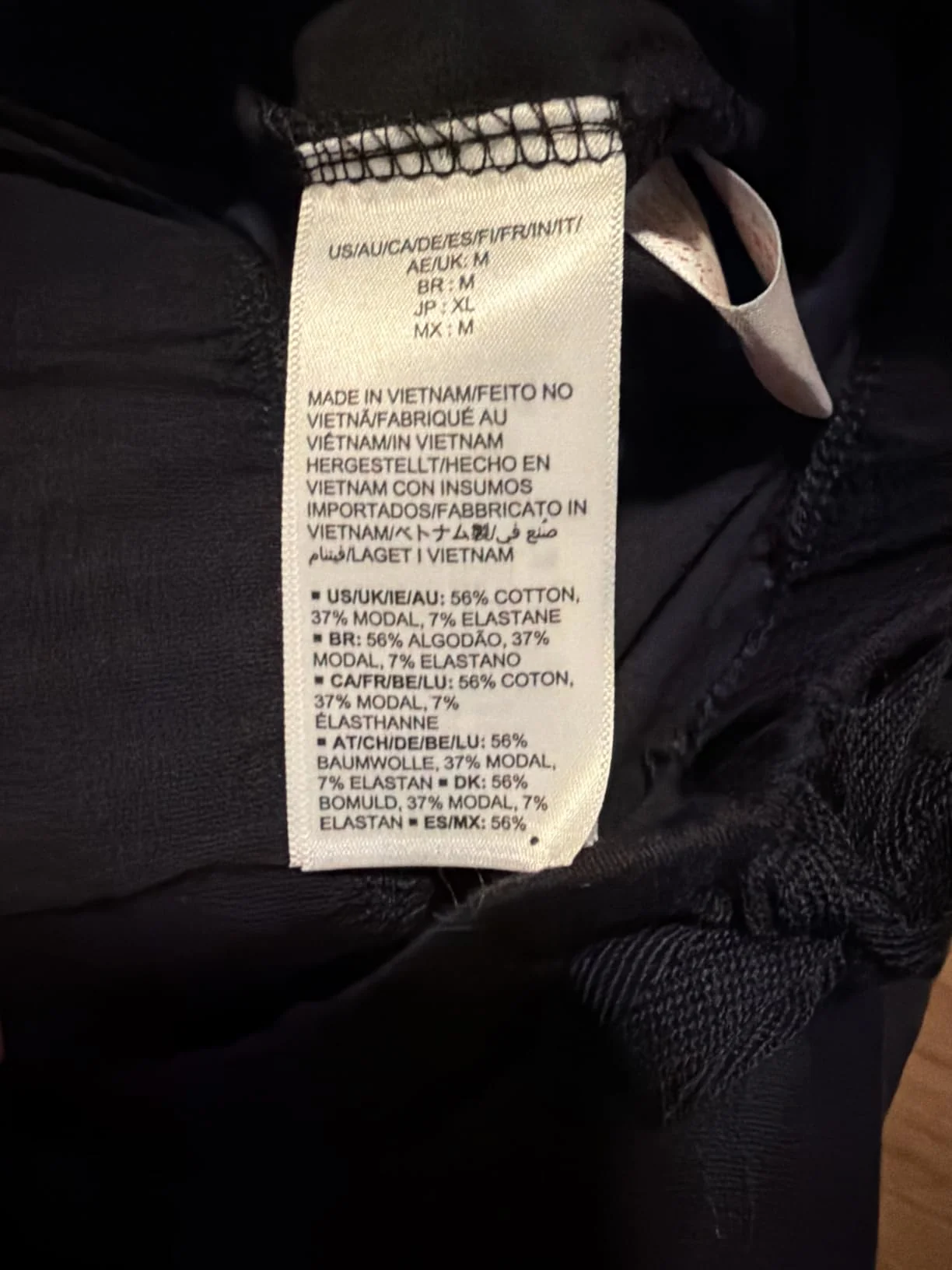
Another case, OFH-AUDIT-2K65, was even harder to ignore. Users described a plastic-like feel that stuck to the skin, followed by major shrinkage after washing. A lounge set should feel like clothing. If it clings like food wrap, something is already wrong with the wearing experience.
🖐️ Feel the Fabric Before You Remove the Tags
Rub a dry section between your fingers, then press it flat against your forearm for a few seconds. If it feels slick, stiff, unusually clingy, or fails to absorb a tiny drop of water quickly, do not assume that a "100% cotton" label tells the whole comfort story.
Real premium cotton is not supposed to become a miracle fabric after one wash. The quality reference used here points to Extra-Long Staple (ELS) cotton with fibers over 35mm and also warns that heat can cause roughly 10% shrinkage. Cold washing and avoiding the dryer matter, but care instructions cannot turn a poor-feeling garment into a soft one overnight.
The bigger mistake is blaming every bad result on washing. Some cotton garments will shrink, but a dramatic loss of length combined with a plastic-like feel and poor breathability is a different kind of warning sign.
For buyers upgrading to better loungewear, the safer move is to judge feel, thickness, and wash expectations together—not just the oversized promise of "100% cotton." The feedback in these cases suggests that this particular quality level may not deliver the soft, breathable cotton experience shoppers expected.
How Weak Seams and Single Stitching Cause Loungewear to Tear on the First Wash
The ugly part of weak loungewear construction is that the fabric can look perfectly fine until you actually sit, stretch, wash, or wear it. Then the hidden shortcuts show up at the cuffs, crotch, side seams, and other places that take the most pulling.
One anonymized case, OFH-AUDIT-PXRS, is a clear example. The garment was reportedly hand-washed according to its care instructions, yet the sleeve began unraveling and a large hole developed at the crotch seam after the first wash. That is not what buyers expect after paying for loungewear marketed as something they can wear repeatedly.
Another case, OFH-AUDIT-WBSC, involved buttons popping open or falling off after a single use, alongside reports of weak seams and pulled threads. A lightweight set can be comfortable without being disposable.
🧵 Tug the Hidden Seams Before Washing
Gently pull the fabric on both sides of the crotch, cuff, and side seams. You do not need to yank hard. Watch whether the seam opens, the threads separate, or tiny gaps appear between stitches. If it already looks stressed while new, normal sitting and stretching are unlikely to make it stronger.
For loungewear that needs to move with the body, the quality guidance in this section calls for at least 10% spandex for stretch recovery and stronger seam reinforcement rather than relying on a weak single line of stitching. When the garment stretches but the seam cannot move with it, the fabric pulls away from the thread—and the result can be a sleeve coming apart or the crotch opening into a hole.
That is why the OFH-AUDIT-PXRS report matters. The garment did not simply wear down over months of heavy use; the reported damage appeared after minimal wear and proper washing.
For shoppers considering similar lightweight or influencer-style sets, check the hidden seams as carefully as the fabric itself. The current feedback suggests that poor stitching can turn an expensive-looking lounge set into a one-wash purchase, especially when the areas under everyday stretch were never built to keep up.
What to Look for When New Loungewear Arrives with Stains, Hair, or Odors
Few things ruin a new loungewear purchase faster than opening the package and immediately wondering whether someone else wore it first. You expected a clean, ready-to-wear set. Instead, there is makeup around the neckline, deodorant marks on the fabric, hair caught in the material, or a smell that clearly did not come from a sealed new garment.
One anonymized case, OFH-AUDIT-KQTR, included reports of stains, hair, and makeup or deodorant residue on the clothing, along with a strong body odor. The inner fabric was also described as slick and unpleasant against the skin. For intimate, close-to-skin clothing, visible residue is not something buyers should have to explain away as a packaging issue.
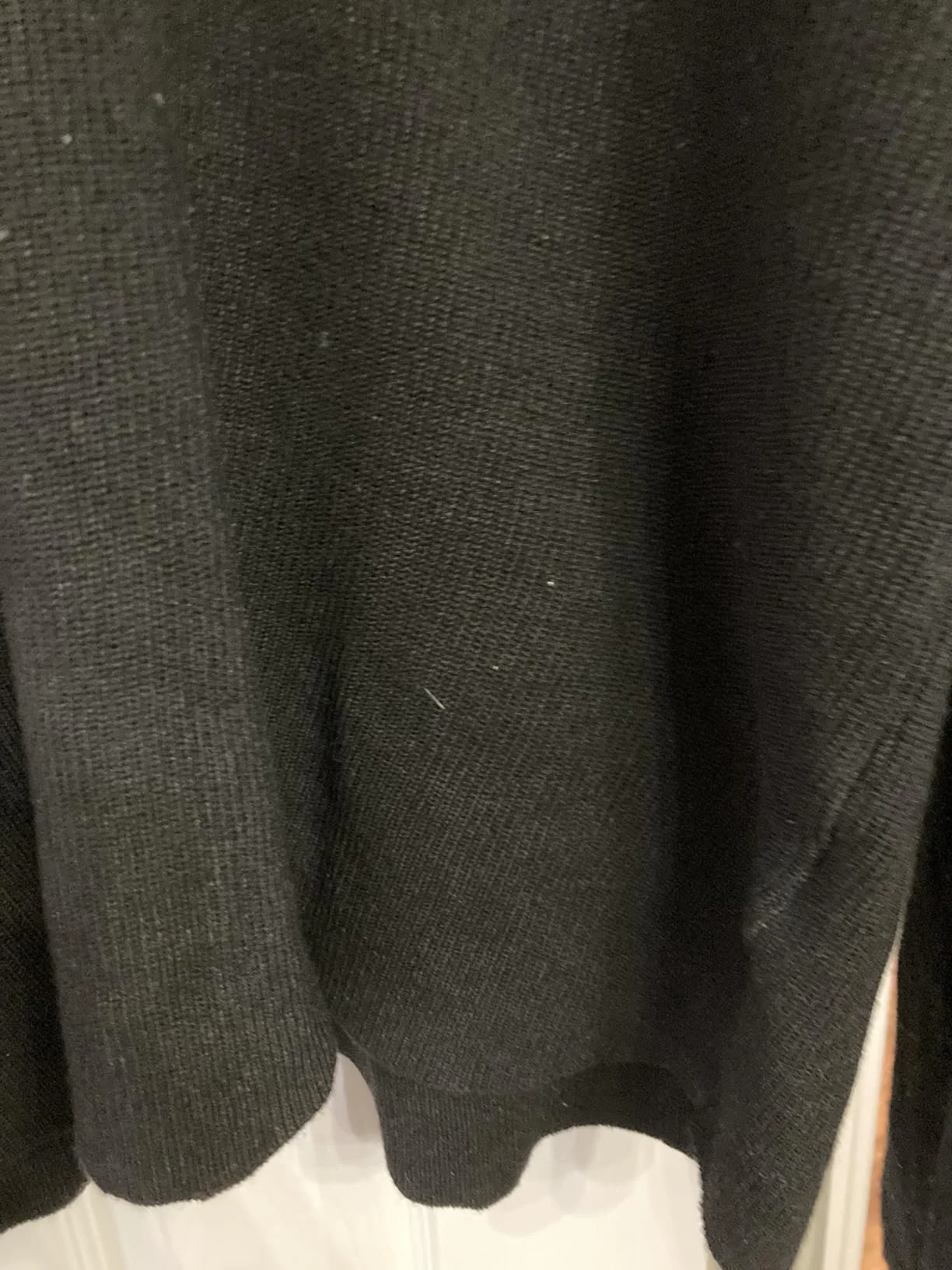
A second case, OFH-AUDIT-C1TW4, reportedly arrived without tags, with worn-looking fabric, pilling, and even food residue still attached. At that point, the problem is no longer whether the set looks polished. The buyer is left questioning what happened to it before it reached the delivery box.
👃 Open the Package and Check the Collar First
Before trying anything on, inspect the neckline, underarms, waistband, and crotch area under good light. Look for makeup, residue, hair, pilling, or stains. Then smell the garment directly rather than assuming perfume, sweat, or a strong body odor will disappear once you wash it.
The quality guidance attached to this section points to OEKO-TEX Standard 100 certification as a safety check for harmful dyes or chemicals, especially for sensitive skin. That certification, however, is not a substitute for basic cleanliness at the point of delivery. A garment can have a legitimate fabric certification and still arrive with the visible signs described in these buyer reports.
Do not remove tags or wash the item before documenting what you found. Photograph the stains, residue, missing tags, or packaging condition while the product is still in the state in which it arrived.
For OFH-AUDIT-KQTR, the reported combination of visible contamination and strong odor was enough to make buyers treat the garment as potentially pre-worn rather than genuinely new. The current feedback does not establish what happened during fulfillment, but it gives shoppers a clear reason to inspect new loungewear carefully before wearing it against the skin.
Why Certain Dark and Bold Fabric Dyes Bleed Onto Undergarments and Furniture
Dark, saturated colors can make loungewear look expensive—until the color starts showing up everywhere except where it belongs. A new set can turn a white T-shirt, pale underwear, or light-colored furniture into collateral damage before you have even had time to enjoy it.
One anonymized case, OFH-AUDIT-2K65, involved a "Burnt Brown" color that arrived looking more like salmon pink. Worse, users reported dye transferring onto white shirts and underwear, with the bleeding continuing through repeated washes and drying. The same product was also described as staining unusually easily.
That creates two separate problems: the color you ordered may not be the color you receive, and the color you do receive may refuse to stay on the garment.
🧻 Rub the Inside Before Wearing It
Before sitting on a pale sofa or pairing a dark new set with white underwear, press a clean, damp white cloth against the inside of the fabric and rub gently. Then check the cloth. If visible color comes off immediately, keep the garment away from light fabrics and furniture until you know how it behaves after washing.
The material guidance for this section specifically flags OEKO-TEX certification as a useful safety check for dyes and chemicals that contact sensitive skin. But certification is not a magic shield: buyers should still check whether a brand provides meaningful information about colorfastness rather than assuming a polished product photo equals stable dye.
The OFH-AUDIT-2K65 reports are particularly costly because the problem was not limited to one disappointing wash. Buyers described color transfer onto other garments and underlayers even after repeated laundering.
For bold loungewear colors, test the dye before trusting the outfit around anything light-colored. The current feedback suggests that this particular product run may have a serious color-transfer problem, making a light-luxury color palette a poor bargain if the "statement shade" ends up staining everything around it.
Sizing and Inseam Inconsistencies to Watch for in Tall and Plus-Size Fits
A size label is useless when the outfit seems to have been graded in two completely different directions. The top hangs loose like a robe, while the pants are either so long that they drag underfoot or so short that the inseam stops well above where the buyer expected.
One anonymized case, OFH-AUDIT-68P4, reported pants running more than four inches too long, with one buyer needing to shorten them by roughly 12 inches. At the same time, sizing feedback was severely inconsistent: an XXL was described as much smaller than a buyer's usual 2X, while another size in the same range was reported as excessively large.
That is more than a minor sizing disagreement. A plus-size label does not help if the actual garment proportions no longer match the body it is supposed to fit.
The same problem can show up at the other end of the spectrum. In OFH-AUDIT-C1TW4, buyers described unusually short crotch proportions and pants that could ride up toward the ribs, creating uncomfortable bunching in front. The item was also reported as being poorly suited to taller wearers.
📏 Compare the Pants to Your Best Pair
Before removing the tags, lay the new pants flat beside a pair that already fits you well. Compare the inseam, rise, waistband, and overall length—not just the number on the label. A five-minute side-by-side check can expose a huge mismatch before the first wash makes the return situation more complicated.
If one size is dramatically too small while the next is excessively long or loose, do not assume your body is the problem. Buyers in the OFH-AUDIT-68P4 reports encountered sizing swings large enough to require tailoring or make the garment unusable.
For tall and plus-size shoppers, the safest brands are not necessarily the ones displaying the biggest size range. Look for detailed garment measurements and separate length information. The feedback here suggests that this product run had enough inconsistency that the size label alone was a poor predictor of the actual fit.
What Causes Soft Synthetic Knits to Feel Itchy and Trap Body Heat
A soft loungewear set can feel convincing for about ten seconds. You touch the fabric in the store, run your hand across it, and it feels smooth enough to earn the label "super soft." Then you wear it for an hour and wonder why something so soft feels increasingly itchy, sticky, and hot.
That is the gap between hand feel and body comfort.
The OFH-AUDIT-68P4 feedback includes a direct report that the material was "very itchy," while OFH-AUDIT-KQTR buyers described a slick polyester inner surface that felt unpleasant against the skin and lacked the breathability expected from close-contact loungewear. Softness can describe how a fabric feels under your fingers. It does not automatically tell you how the garment handles heat and sweat once it is pressed against your body.
Think of breathability like opening a window. When air can move through the fabric, body heat has a better chance to escape. When a dense synthetic layer traps that heat close to the skin, sweat can build up inside the garment instead of leaving you feeling fresh.
That combination can change the wearing experience quickly: smooth at first touch, then warm, damp, clingy, and irritating during real use.
The material evidence in OFH-AUDIT-KQTR is especially useful because buyers did not simply describe the fabric as "not soft enough." They reported a slick, synthetic-feeling surface and poor breathability against the skin.
This is why searches for super soft loungewear should go beyond softness claims alone. A fabric can pass the hand test while still performing poorly during a long evening on the couch, a warm night, or a full work-from-home day.
The OFH-AUDIT-68P4 report adds the other side of the problem: direct itchiness. Once a fabric repeatedly feels scratchy or uncomfortable against bare skin, the original "soft" marketing claim matters much less than the actual wearing experience.
For buyers comparing soft loungewear, the practical question is simple: Does it still feel comfortable after your body has been inside it for an hour? If the answer is no, softness was only the first impression—not the full story.
CONCLUSION
Good loungewear should be judged by what happens after you put it on and live in it. Before removing the tags, check the fabric against your skin, inspect the hidden seams, compare the pants with a pair that already fits well, and look carefully for stains or signs of previous wear. If the color is dark or highly saturated, test it before trusting it around white underwear or light furniture.
Pay attention to the difference between first-touch softness and long-term comfort. A smooth fabric may still feel itchy, sticky, or too warm after an hour. A "100% cotton" label also does not guarantee that the garment will feel soft or keep its shape after washing.
The safest purchase is not simply the softest-looking or most fashionable set. Look for fabric that feels comfortable against bare skin, clear sizing details, durable seams, stable color, and a clean, genuinely new condition when it arrives.
THE ULTIMATE BUYING VERDICT
| Verdict | Key Consideration | Recommendation |
|---|---|---|
| 🔴 Significant concerns | Severe shrinkage, very itchy or plastic-like fabric, weak seams, continuing dye transfer, major sizing problems, or signs that the garment may have arrived pre-worn | Avoid keeping the item if these problems appear before or shortly after the first wear and wash |
| 🟡 Acceptable with limitations | Lightweight fabric, some shrinkage risk, limited stretch, or sizing that requires careful measurement | Consider the purchase only if you can check garment measurements, follow the care instructions, and accept the possible fit limitations |
| 🟢 Meets long-term expectations | Comfortable fabric, stable fit, durable seams, reliable color, and a clean new condition | Look for these qualities together and inspect the garment before wearing or removing the tags |