
You buy a cashmere sweater expecting softness, light warmth, and comfort against your skin. Then the problems start. The fabric feels prickly even after washing. It creates too much static and feels strangely heavy or plastic-like. Or you open the package and find a strong chemical or smoke odor that lingers after repeated washing.
These problems can turn an expensive sweater into something you do not want to wear. The key is knowing which issues are temporary and which are signs that the sweater simply may not match your needs. Before keeping a sweater, pay attention to how it feels on sensitive skin, how the fabric behaves, and whether unusual odors remain. Clear material details can also help you make a better choice before buying.
Why Does Cashmere Feel Itchy on Sensitive Skin Even After Washing?
You buy cashmere expecting that soft, almost weightless feel against bare skin. Then the sweater goes on—and instead of comfort, your neck, arms, or chest start itching almost immediately.
Washing does not always fix it. If the sweater still feels scratchy after a gentle wash, the problem may not be something sitting on the surface. Sometimes the fibers themselves are simply too rough for sensitive skin.
One anonymized case, OFH-REVIEW-ZC333, drew complaints across several colors for the same reason: buyers described the fabric as fuzzy, itchy, rough, and even strangely plastic-like. Several users said the irritation was bad enough that they returned it rather than trying to "break it in."
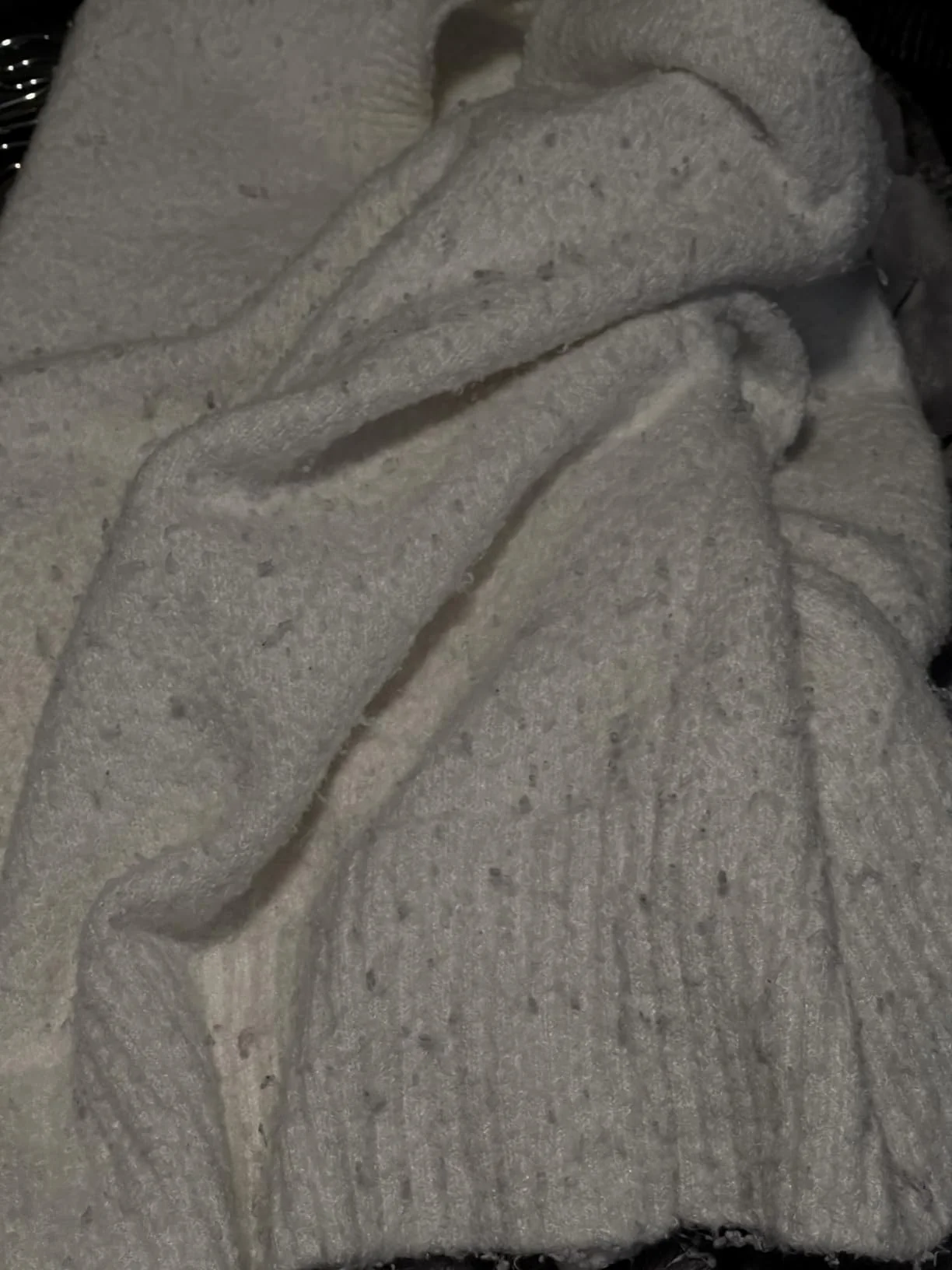
Another case, OFH-REVIEW-YZ83T, reflected the same basic wearability complaint. Buyers reported that the material was extremely itchy against the skin, making the sweater difficult to tolerate even before other issues like poor texture and inconsistent appearance entered the picture.
🖐️ Touch the Inside Before You Commit
Rub the inside of the sweater slowly across the sensitive skin on your wrist or the side of your neck for a few seconds. If you immediately feel tiny pricks rather than a smooth, soft glide, do not assume washing will magically turn it into a skin-friendly sweater.
The reason is fairly simple: your skin can react strongly to thicker, rougher fibers. Fine cashmere bends more easily against the body, while coarser strands and rough surfaces can feel like countless tiny bristles pressing against the skin. A wash may remove residue, but it cannot reliably transform a naturally scratchy fiber into the soft feel you thought you were buying.
That is why "it just needs one wash" can become an expensive excuse. If a sweater still makes you itch after washing, you may be dealing with a basic comfort mismatch, not a temporary new-garment problem.
For sensitive skin, softness should not be treated as a marketing promise you have to suffer through before it becomes true. In the current feedback, OFH-REVIEW-ZC333 and OFH-REVIEW-YZ83T show why direct skin contact is one of the fastest ways to judge whether a particular sweater actually delivers the comfort its price suggests.
How to Tell if a Sweater Has Too Much Synthetic Fiber from Static and Texture
A sweater can look soft from across the room and still feel completely wrong the moment you touch it. If the fabric feels unusually heavy, plasticky, or stiff like old felt—and crackles with static every time you pull it off—those are practical clues worth paying attention to.
One anonymized case, OFH-REVIEW-ZC333, was repeatedly described by buyers as having a plastic-like feel, an old-felt texture, excessive weight, and abnormal static. That combination matters because texture and static can point to a very different wearing experience from the light, soft feel shoppers expect from quality cashmere.
Pure cashmere is valued for feeling fine and relatively light while still holding warmth. When a sweater instead feels dense, stuffy, and coated in a harsh synthetic-like texture, it may contain a substantial amount of lower-cost man-made fiber—or simply have a finish that creates a similar sensation. Either way, the label deserves a closer look before the sweater becomes an expensive disappointment.
⚡ Feel the Surface, Then Take It Off
Rub the sweater between your fingers, then pull it gently away from your body or another layer. Notice what happens. A little static can occur in dry conditions, but if the garment repeatedly crackles, clings aggressively, and pulls hair or other fibers onto the fabric, do not ignore the pattern.
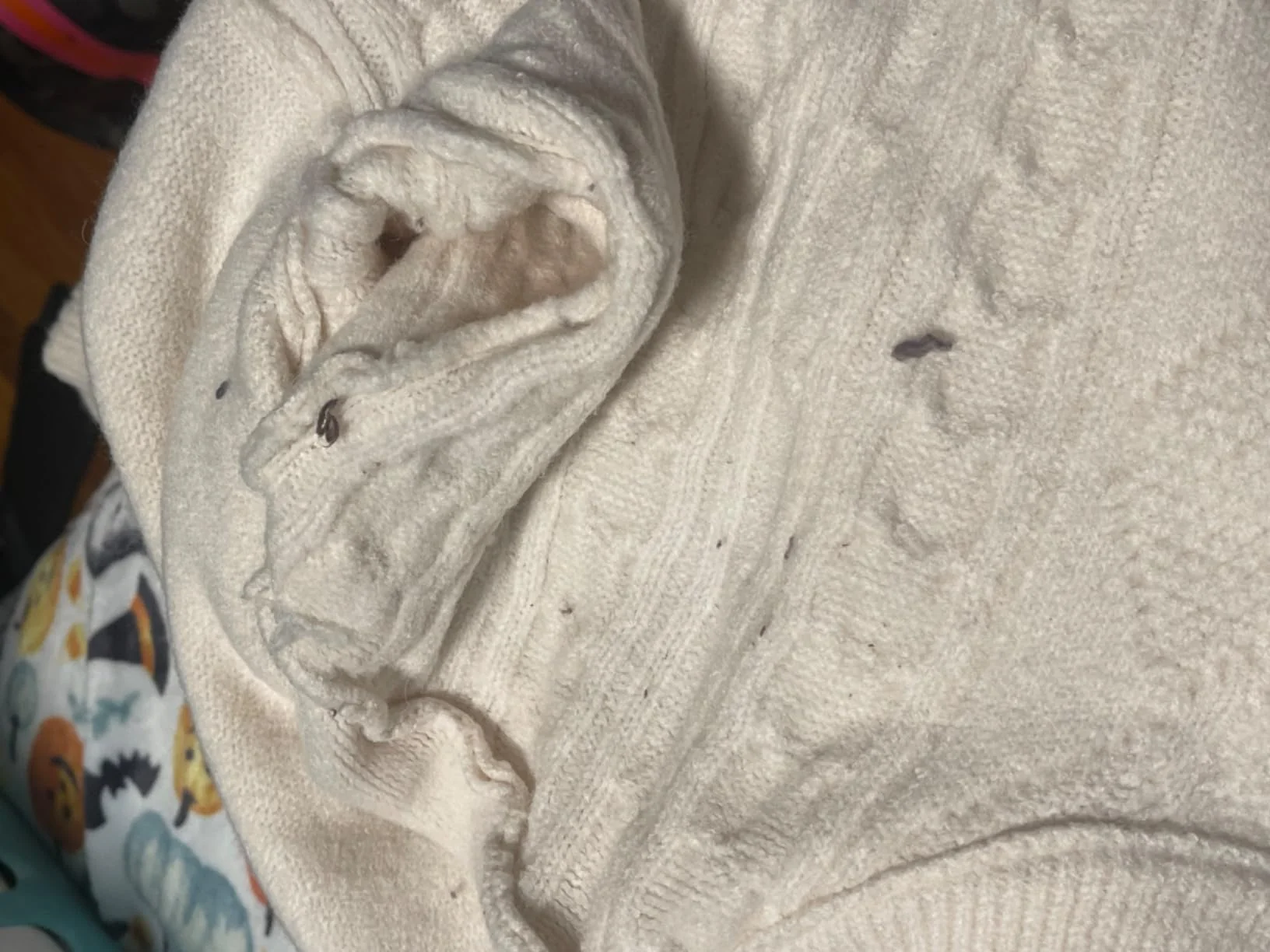
Next, focus on the texture. Does it feel soft and flexible, or does it feel slick, foamy, rigid, or strangely heavy? OFH-REVIEW-ZC333 is a useful example because buyers reported several of these warning signs together rather than describing one isolated issue.
A fiber blend can be perfectly legitimate when it is clearly disclosed. The real problem begins when the hand feel and real-world behavior do not match the luxury story being sold. Static alone cannot prove exactly what percentage of synthetic fiber is inside a sweater, and neither can a rough touch. But when heavy weight, plastic-like texture, poor breathability, and persistent static appear together, they are strong reasons to stop relying on adjectives such as "cashmere-soft" and check the actual fiber label.
One important caution: do not use a burn test on a sweater you have already bought or plan to wear. It can damage the garment and create a fire risk. For the current product feedback, OFH-REVIEW-ZC333 raises a simpler consumer question: if a sweater feels like plastic and behaves like a static magnet, the material story may not live up to the cashmere experience you paid for.
Why New Sweaters Sometimes Arrive with a Strong Chemical or Smoke Odor
You open a new sweater expecting wool, paper packaging, and maybe that faint "new garment" smell. Instead, a blast of chemical odor or stale cigarette smoke hits you before the sweater is even out of the bag.
Then comes the frustrating part: you wash it. The smell remains. You try again. Still there. In some cases, buyers reported four washes, vinegar, dryer sheets, and even sun exposure with little success.
OFH-REVIEW-NNM8H had buyers reporting a strong factory-like chemical smell that persisted through four washes and was unpleasant enough to stop them from wearing the sweater. OFH-REVIEW-J4LQJ generated similar complaints about strange and cigarette-like odors that remained despite repeated attempts to remove them.
A third case, OFH-REVIEW-YZ83T, raised a different but equally unpleasant concern: buyers reported cat hair, perfume odor, and pulls on arrival, creating the impression that a returned or previously handled item may have entered the delivery stream.
👃 Smell the Sweater Before You Wash It
Open the package and smell the collar, underarms, and folded interior before laundering. If the odor is concentrated and unusually sharp, or smells like smoke, chemicals, or someone else's perfume, take note before washing removes your easiest return option.
Strong odors can come from manufacturing treatments, packaging, storage, transport, or contamination after a return. If a garment carries residues deep enough to survive repeated washing, the issue may be harder to solve than simply "airing it out."
This is also where certification can be useful. OEKO-TEX Standard 100 is one sign shoppers may look for when they want additional screening for certain harmful substances in textiles. It does not guarantee that every sweater will be odor-free, but the absence of clear material and safety information can leave buyers with fewer signals to judge what they are bringing into direct contact with their skin.
A persistent odor is not proof of one specific chemical or contamination source. Still, the current buyer feedback on OFH-REVIEW-NNM8H, OFH-REVIEW-J4LQJ, and OFH-REVIEW-YZ83T shows a simple red flag: a new sweater that still smells strong after repeated cleaning is failing one of the most basic expectations of a garment meant to be worn close to the body.
OEKO-TEX Certified Cashmere: What It Means for Sensitive Skin and Chemical Safety
For sensitive skin, the safest-looking cashmere sweater is not necessarily the safest one to buy. A luxury label, a soft product photo, or a high price tag tells you very little about what actually touches your skin for hours at a time.
The complaints linked to OFH-REVIEW-ZC333 and OFH-REVIEW-NNM8H show why buyers need a clearer filter. One product generated repeated complaints about itchiness and rough, plastic-like texture, while the other drew reports of a persistent chemical smell that survived multiple washes. For shoppers with easily irritated skin, three specifications are worth checking together.
First, look for a clearly stated 100% cashmere fiber content. A complete fiber label gives you a more concrete starting point than vague phrases such as "cashmere feel" or "luxury blend." If softness is the goal, the source material matters.
Second, pay attention to fiber fineness when the brand provides it. Industry sources identify cashmere with a fiber diameter under 19 microns as a quality benchmark for a softer feel. Finer fibers are generally more likely to bend gently against the skin instead of creating the prickly sensation reported in rougher sweaters.
Third, look for OEKO-TEX Standard 100 certification. This gives shoppers an additional signal that the finished textile has been screened for certain substances that may be relevant when a garment will sit directly against sensitive skin.
The key is to treat these three checks as a selection framework, not a medical guarantee. "100% cashmere" does not automatically make every sweater itch-free, and OEKO-TEX certification does not mean a person can never experience an individual skin reaction.
But for buyers trying to avoid the two real-world problems seen in OFH-REVIEW-ZC333 and OFH-REVIEW-NNM8H—persistent irritation and stubborn chemical odor—the combination of a clear 100% cashmere label, a disclosed fine-fiber specification, and OEKO-TEX Standard 100 certification provides a much stronger starting point than marketing language alone.
CONCLUSION
A cashmere sweater should not require you to ignore obvious comfort problems in the hope that they will disappear later. Test the inside of the fabric against sensitive skin and pay attention to whether it feels soft or immediately prickly. Notice whether the sweater feels light and flexible or unusually heavy, stiff, and full of static.
Odor is another simple check. If a strong chemical, smoke, or perfume smell remains after repeated cleaning, do not assume it is always easy to remove. Before buying, look beyond words such as "luxury" and "cashmere-soft." Check the full fiber label, look for useful information about fiber fineness when available, and consider OEKO-TEX Standard 100 certification. A careful inspection before wearing can help you avoid paying for a sweater that looks good online but feels wrong in real life.
THE ULTIMATE BUYING VERDICT
| Verdict | Key Consideration | Recommendation |
|---|---|---|
| 🔴 Significant concerns | Persistent itchiness, a rough or plastic-like feel, heavy static, or strong odors that remain after repeated washing can make a sweater uncomfortable to wear. | Do not keep relying on washing to solve a basic comfort or odor problem. Check the garment carefully and consider returning it if the issue remains. |
| 🟡 Acceptable with limitations | A small amount of static can happen in dry conditions, and a fiber blend can be acceptable when it is clearly disclosed. | Consider these limitations only when the sweater is otherwise comfortable and the actual fiber content is clearly stated. |
| 🟢 Meets long-term expectations | Soft, comfortable fabric, a clear 100% cashmere label, disclosed fine-fiber details, and OEKO-TEX Standard 100 certification provide stronger buying signals. | Look for these details together and test the fabric against your skin before deciding whether the sweater is right for you. |