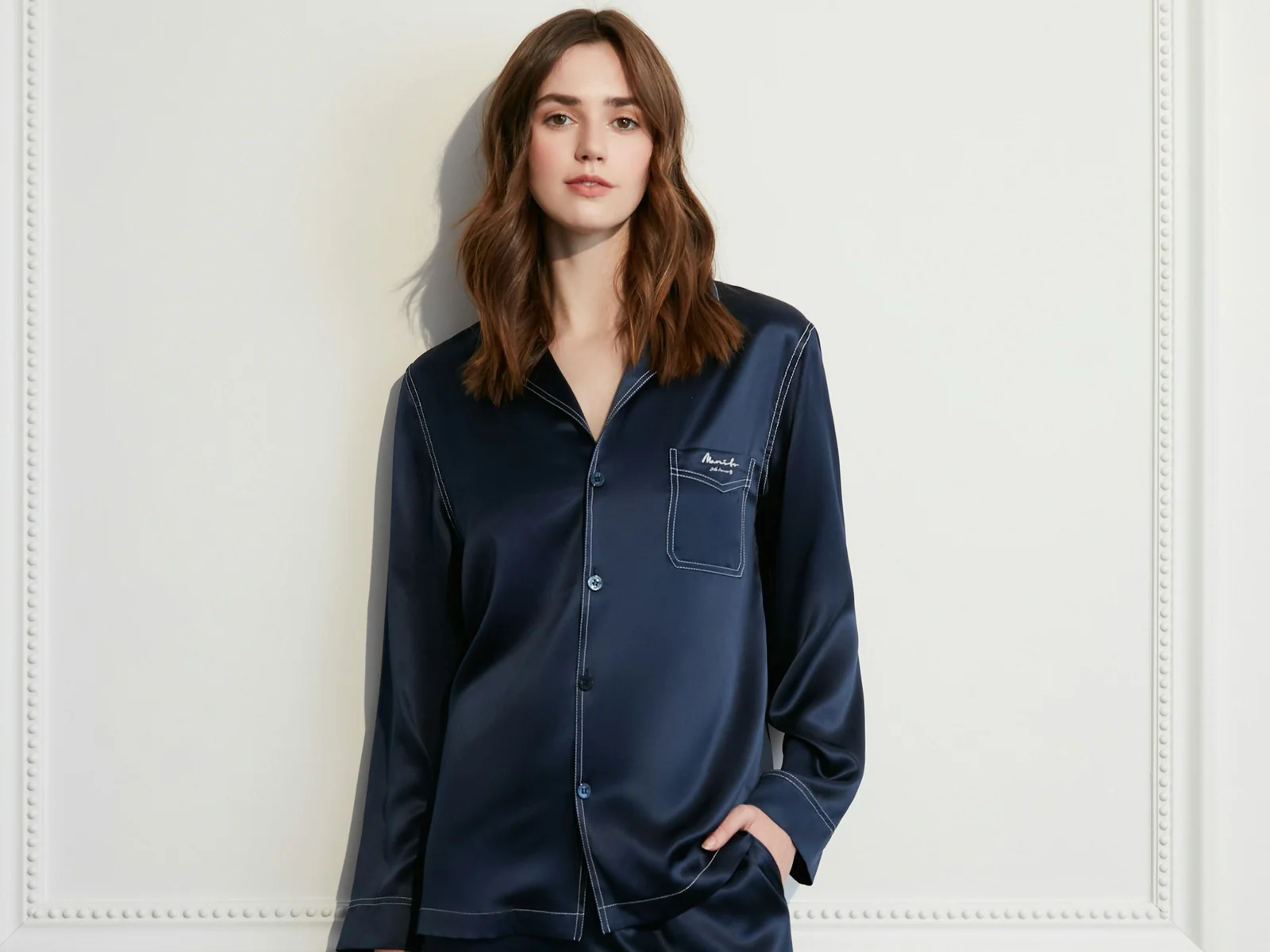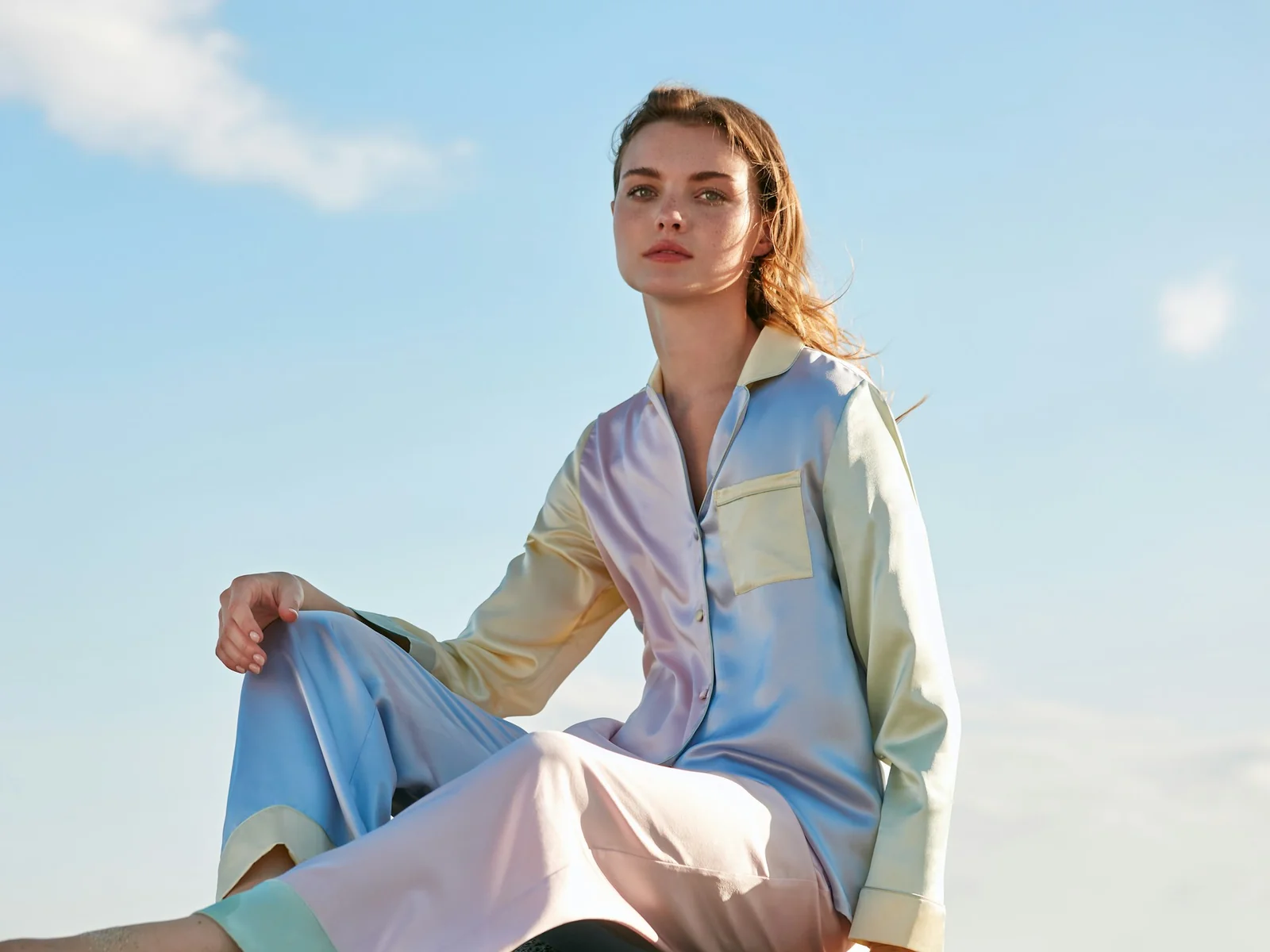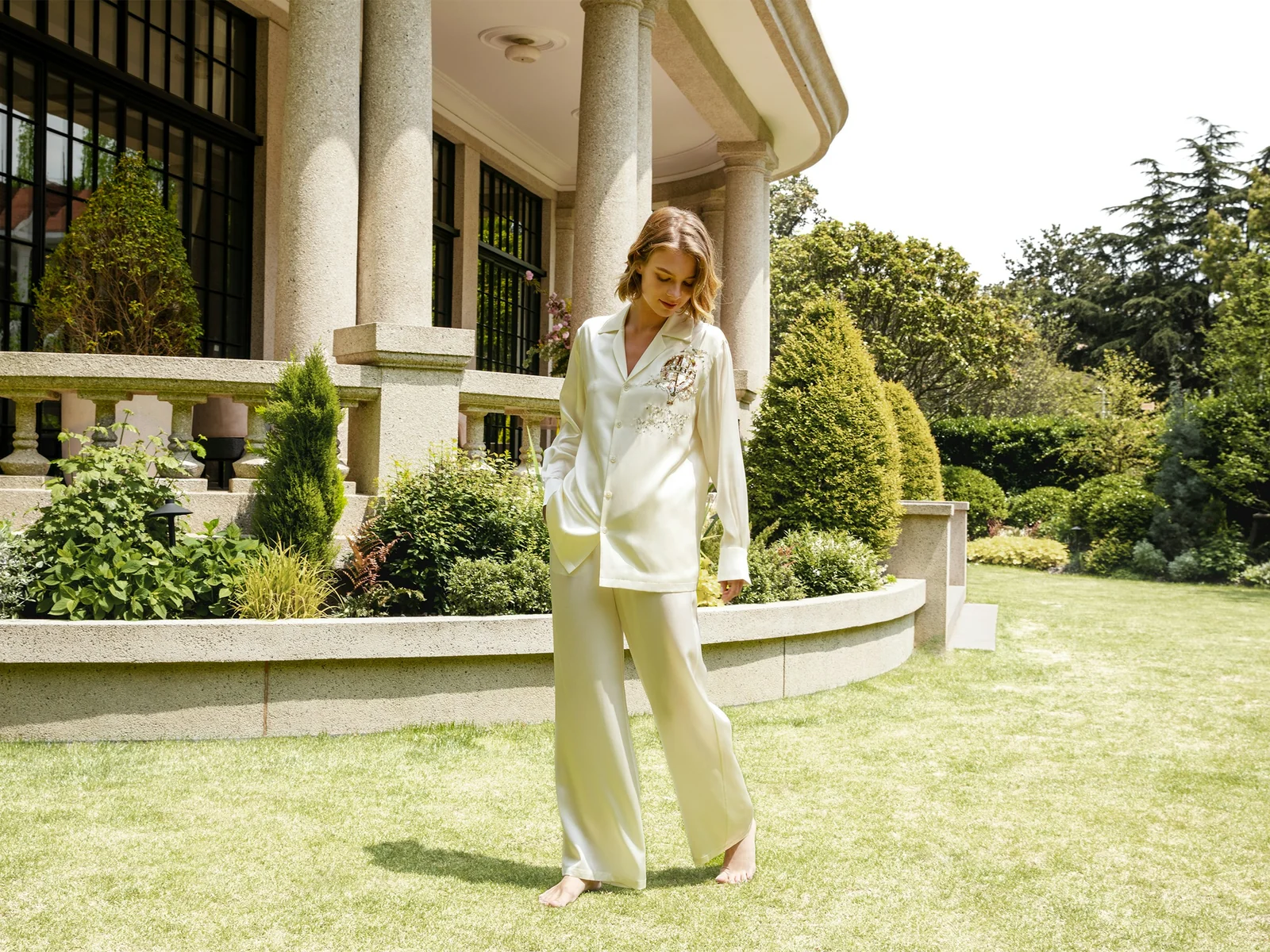
A luxury pajama set can look disappointing before you ever wear it. It may arrive tightly balled up with deep wrinkles, an odd smell, or packaging that makes the garment look less than new. Personalized pajamas can have another hidden problem: embroidery that looks beautiful from the outside but feels rough against the skin. Then there is the first wash. Treat delicate silk or cashmere like an ordinary T-shirt, and a comfortable set can come back smaller, less smooth, or harder to wear.
These problems do not mean every expensive pajama set is a bad purchase. They do show why the details around presentation, construction, care, and fabric life matter. A careful buyer should judge the whole ownership experience, not just how attractive the pajamas look online or how high the price is.
How Poor Packaging Causes Heavy Wrinkles and Unboxing Disappointments
A luxury pajama gift can lose its appeal before the first button is touched. If the set comes out of the package twisted, balled up, heavily creased, or looking as though someone else already wore it, the unboxing experience has already gone sideways.
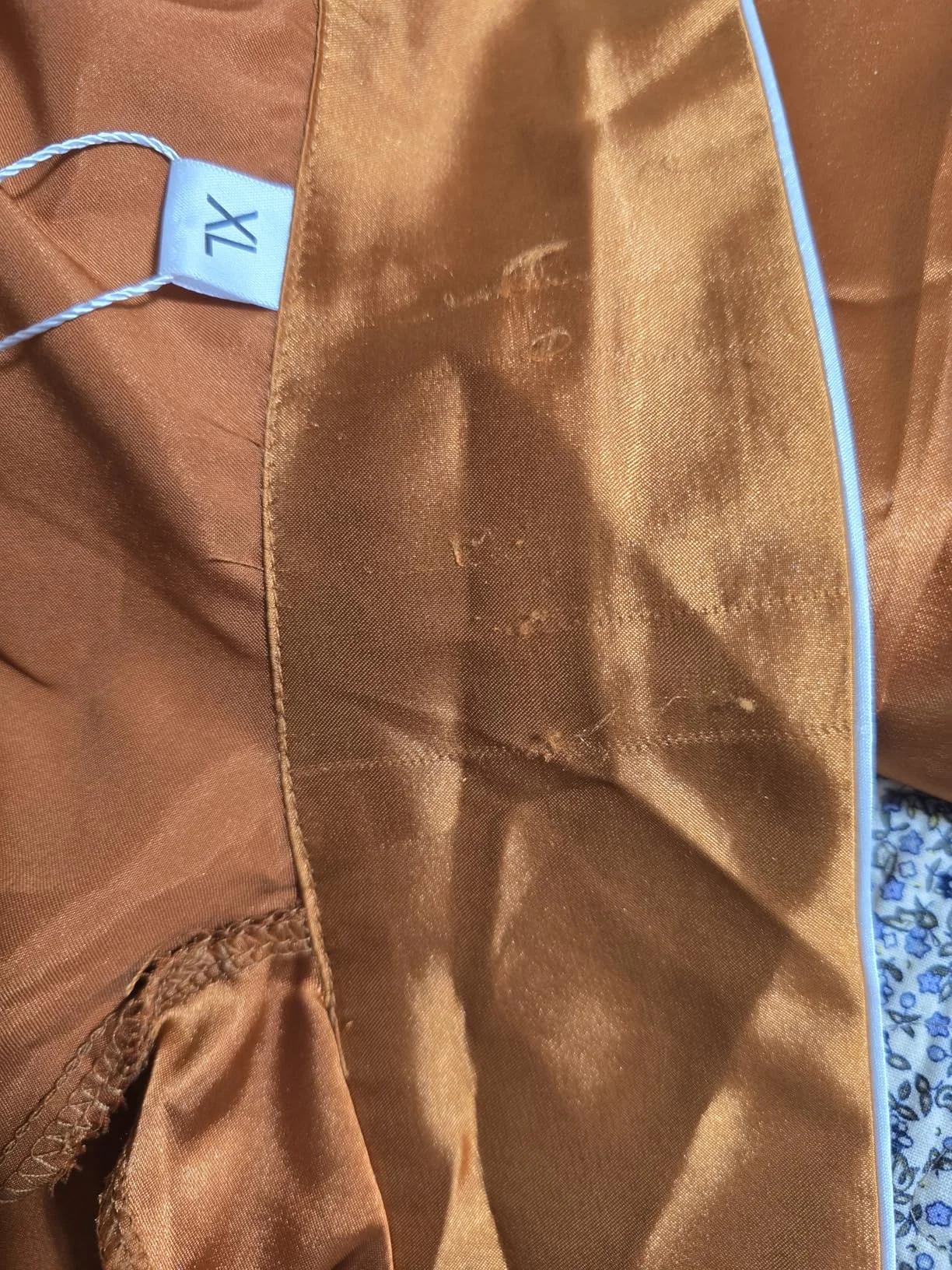
One documented case, OFH-AUDIT-5QY7, involved a garment reported as unbuttoned, oddly scented, and marked with visible stains inside sealed packaging. Another, OFH-AUDIT-GXH6, arrived heavily wrinkled and balled up, with parts turned inside out.
That matters even more for buyers shopping for a gift. A premium pajama set is supposed to feel ready to give. The recipient should not have to wonder whether the item was handled, worn, returned, or simply shoved into a bag. luxury pajamas +1
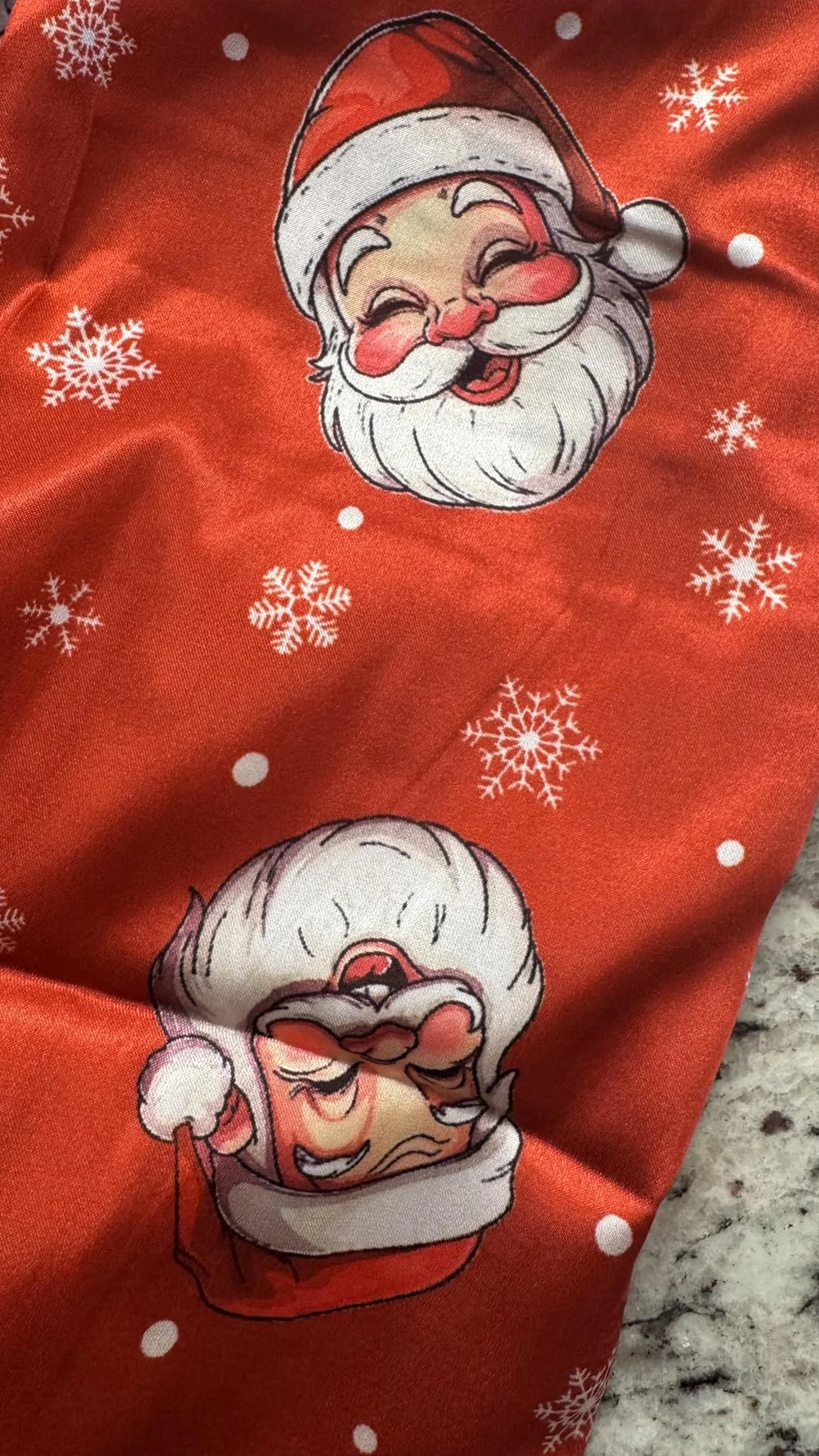
🎁 Open the Package Before You Wrap It
Take the pajamas out completely and check the full set before removing tags or preparing gift wrapping. Look for broken or reopened packaging, loose buttons, unusual odors, stains, snags, and deep fold lines that do not relax when the fabric is laid flat.
Also check whether both pieces are present and properly folded. A garment arriving inside out and compressed into a tight bundle is not the same thing as a carefully packed luxury gift.
For a higher-end purchase, presentation should help protect the product rather than create a new problem. A clean set with intact packaging, clear separation from other items, and enough room to avoid severe crushing gives the buyer a much better chance of opening something that actually looks new.
Heavy wrinkles alone do not prove a garment is used, and an unusual odor or stain can have different causes. Still, when these problems appear together at delivery, the item no longer delivers the polished, gift-ready experience many buyers expect from a luxury purchase. Based on this consumer evidence case, shoppers who care about presentation may want to inspect the package before gifting it or committing to keeping it.
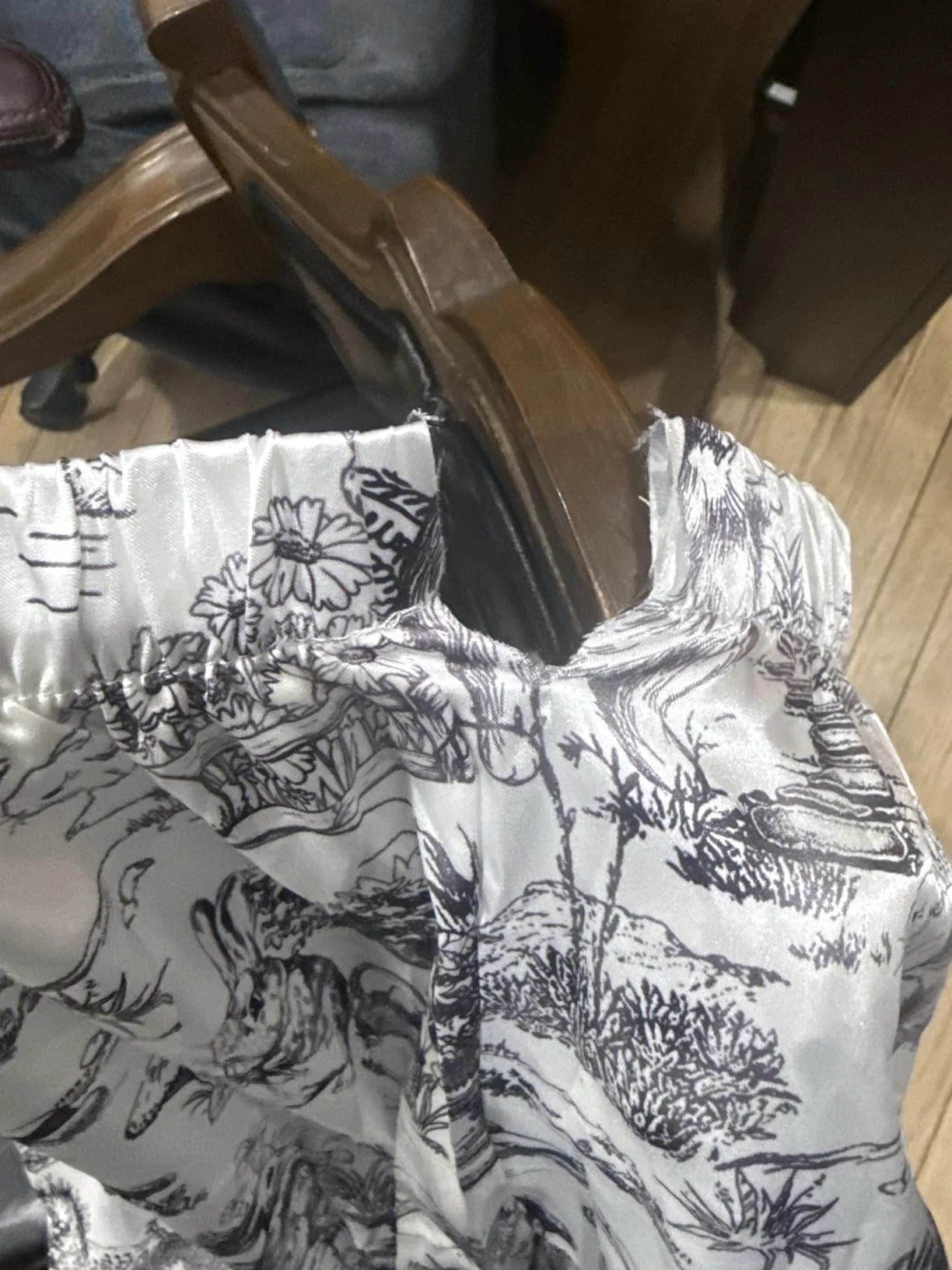
Why Monogrammed Embroidery Needs Backing Fabric to Prevent Skin Scratches
Luxury monogrammed pajamas should feel comfortable from both sides of the fabric. The front may look polished and personalized, but the embroidery can create a very different experience against the skin if the reverse side is left exposed.
Poor embroidery can leave hard thread ends and rough stitching directly against the body, turning an otherwise attractive detail into a source of persistent itching or poking. For sleepwear, that matters because the garment stays in close contact with the skin for hours rather than minutes.
A cleaner approach is to protect the reverse side of the embroidery with a soft backing layer. In higher-end custom work, interfacing protection can cover the stitching so the embroidery is less likely to feel rough or scratchy during wear.
The distinction is easy to miss when shopping online. Product photos usually emphasize the monogram on the outside, while the part touching the wearer may receive little attention. A beautiful monogram is not necessarily a comfortable monogram.
When evaluating luxury monogrammed pajamas, look beyond the decorative stitching. Check whether the product description or construction details indicate that the embroidery has a covered or protected reverse side, particularly if the personalization sits in an area that will regularly touch bare skin.
This is especially relevant for pajama cuffs, chest areas, waistbands, or other locations where embroidery can remain pressed against the body while sleeping. A backing layer does not make every embroidery design automatically comfortable, but it is an important detail when the goal is to combine custom decoration with skin-friendly wear.
For buyers comparing personalized sleepwear, the monogram should therefore be judged from both sides: the visible design tells you how it looks; the protected reverse tells you more about how it may feel.
Can Dryer Heat Cause Permanent Shrinkage and Fabric Damage to Silk Pajamas?
One of the fastest ways to ruin a luxury pajama set is to treat it like an ordinary T-shirt and toss it straight into the dryer. A garment that fit comfortably before washing can come out noticeably smaller, tighter, and stripped of its original sheen.
In one documented consumer case, a pajama set reportedly shrank by more than 10% after being dried, leaving the buyer with something they described as fitting more like children's clothing than the item originally purchased. That kind of mistake is especially frustrating when the care guidance is unclear or easy to miss.
OFH-AUDIT care lesson: silk and cashmere are not forgiving when exposed to aggressive heat. High dryer temperatures can make delicate fibers contract and lose the smooth surface that gives premium sleepwear much of its appeal. Once the garment has shrunk or the finish has changed, washing it again will not necessarily restore the original size or look.
Cold-water washing and avoiding dryer heat are the safer approach. Flat drying helps the garment keep its intended shape, while gentler handling reduces the risk of the 5–10% shrinkage range associated with heat exposure.
🧺 Take the Dryer Out of the Equation
Before the first wash, check the care label and ask one simple question: Does this pajama set specifically permit machine drying? If the answer is unclear, do not assume a delicate or low-heat dryer setting is harmless.
For silk pajamas, lay the garment flat after washing and let it dry naturally instead of exposing it to high heat. The same caution applies to other delicate luxury fabrics, including cashmere, where shape and softness can be lost through rough handling.
The expensive part of luxury sleepwear is not just the name on the label. Fit, drape, softness, and surface finish are part of what the buyer paid for. A single hot drying cycle can undo several of those qualities at once.
For buyers who want their pajamas to last, the safest routine is simple: cold water, gentle washing, no high dryer heat, and flat drying whenever the garment requires it. The care label should always have the final say, but when a premium fabric can be damaged by heat, taking the dryer out of the process is often the cheaper choice.
Are Expensive Pajamas Worth the Investment Based on Fabric Longevity?
Are expensive pajamas worth the money? The answer depends less on the price tag than on what happens after the first few washes. A premium set that pills, loses its shape, or becomes uncomfortable after limited use can quickly turn a “luxury purchase” into an expensive short-term purchase.
Durability starts with the fabric itself. 19-momme Mulberry silk and ELS long-staple cotton are associated with higher-end sleepwear because the material quality can support repeated wear when the garment is cared for properly. But expensive fabric is not indestructible. Heat, rough washing, and careless drying can shorten its useful life just as quickly as poor-quality construction.
That is where cost per wear becomes more useful than the original purchase price. A $200 pajama set worn 100 times costs about $2 per wear. A $60 set replaced after 20 wears costs $3 per wear—and that calculation gets worse every time another replacement is needed.
The comparison is not meant to prove that every expensive pajama is automatically a better value. Price alone does not guarantee longevity. A premium garment still needs durable construction and appropriate care, while a cheaper garment can sometimes last longer than expected.
For anyone wondering how to care for silk pajamas, the basic rule is simple: follow the garment label closely, avoid unnecessary heat, and use a gentle washing routine. For delicate silk, cold water and air or flat drying can help preserve size, shape, and surface appearance over time.
Pilling is another useful warning sign. If a pajama set begins to look worn after only a few wash cycles, the higher purchase price has not necessarily bought the long-term value the buyer expected. A better investment is one that remains comfortable and presentable across repeated use.
So the real question is not simply, “How much do these pajamas cost?” It is “How long can I realistically wear them while they still feel worth wearing?” When stronger fabrics are paired with careful washing and drying, a higher upfront price can be spread across many more nights—and may ultimately cost less than repeatedly replacing cheaper sleepwear.
CONCLUSION
Luxury pajamas are easier to appreciate when the details continue to hold up after delivery and repeated wear. Before giving a set as a gift, open the package and check that the pieces are complete, clean, properly folded, and free from unusual odors, stains, snags, or severe creasing. Heavy wrinkles alone do not prove that a garment was previously worn, but several problems appearing together deserve closer attention.
For monogrammed pajamas, check both sides of the embroidery. A protected reverse side can help prevent rough stitching from rubbing against bare skin, especially around cuffs, the chest, or waistband. Care is just as important. Silk and cashmere should not automatically go into the dryer, and the care label should guide the washing routine.
Finally, judge value by how long the pajamas remain comfortable and presentable. A higher price can make sense when quality fabric, careful construction, and proper care allow the set to stay useful across many wears.
THE ULTIMATE BUYING VERDICT
| Verdict | Key Consideration | Recommendation |
|---|---|---|
| 🔴 Significant concerns | Severe wrinkles, unusual odors, stains, reopened packaging, exposed rough embroidery, or major shrinkage after care can undermine the expected luxury experience. | Inspect the set before gifting or keeping it, and be cautious when several presentation or comfort problems appear together. |
| 🟡 Acceptable with limitations | Heavy wrinkles do not by themselves prove prior use, and delicate fabrics can lose size or finish when exposed to heat or rough washing. | Follow the care label closely, avoid unnecessary dryer heat, and give personalized details extra attention where they touch the skin. |
| 🟢 Meets long-term expectations | Clean presentation, protected embroidery, quality fabrics such as 19-momme Mulberry silk or ELS long-staple cotton, and careful care support repeated comfortable wear. | Look for construction and care details that protect fit, softness, appearance, and durability, then judge the purchase by realistic cost per wear. |